

Beyond Borrowing Sugar: How a Neighborhood Network Can Protect Your Biggest Investment
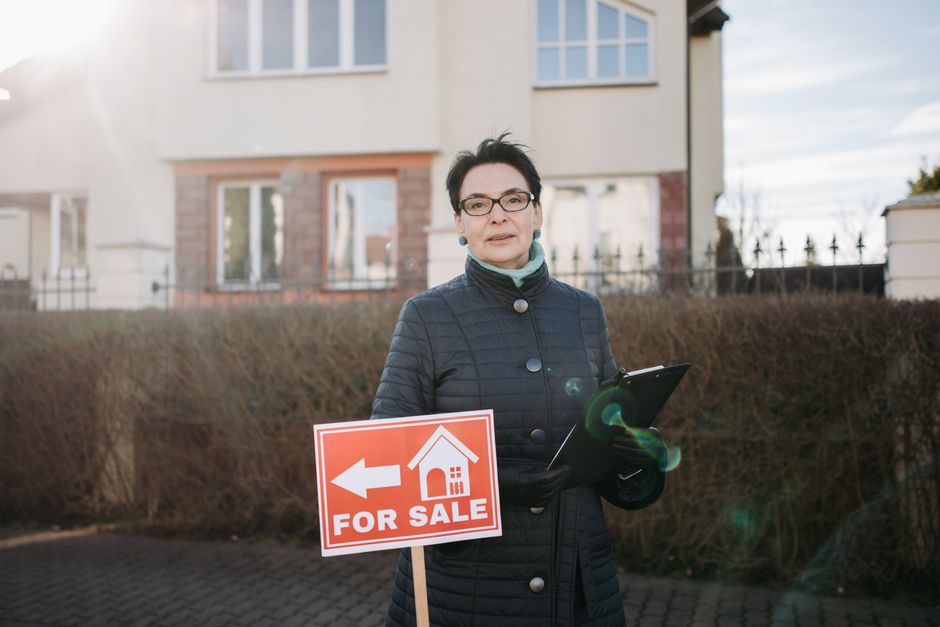
The classic image is a familiar one: a quick knock on the door, a friendly smile, and the simple request for a cup of sugar. It’s the quintessential neighborly exchange, a small act of trust and convenience. While this gesture is pleasant, the true value of a connected neighborhood goes far deeper. It’s about building a social and security infrastructure that actively protects what is likely your single biggest financial asset: your home.

At croatan24.com, we explore the intersection of real estate, health, and fitness, bringing you news and insights from around the world. We believe that where you live profoundly impacts how you live, and a strong community is the cornerstone of both a valuable property and a healthy life. The connections you forge with the people on your street are more than just social niceties; they are a powerful, living asset with tangible returns.
This article will break down exactly how a robust neighborhood network provides these returns—from increased security and higher property values to improved mental and physical health—and give you practical steps to start building one today.
Key Takeaways
- A strong neighborhood network acts as a powerful, informal security system that deters crime and provides rapid assistance in emergencies.
- Connected communities often have higher, more stable property values because they are perceived as safer, more desirable places to live.
- Engaging with neighbors can significantly reduce homeowner stress, combat social isolation, and create opportunities for shared physical activities, boosting overall health.
- Building this network doesn’t require grand gestures; it starts with small, consistent actions like learning names, organizing simple get-togethers, and creating a group chat.
TL;DR
A connected neighborhood is a critical asset that protects your home investment by increasing security, boosting property value, and lowering maintenance costs. This social network also directly improves your personal health and well-being by fostering a sense of belonging and creating opportunities for shared activities.
A strong neighborhood network forms the most effective, informal security system available.
While security cameras and alarm systems are useful tools, they are fundamentally reactive. A network of neighbors who know each other’s routines and look out for one another, however, is a proactive deterrent to crime and a faster response system for emergencies. This human element provides a layer of security that technology alone cannot replicate.
The Power of “Eyes on the Street”
The concept of natural surveillance is a cornerstone of urban safety. When neighbors are familiar with the daily rhythm of their street, they become incredibly effective at spotting anomalies. An unfamiliar vehicle lingering for too long, a stranger trying a door, or packages piling up on a porch when the residents are known to be away are all red flags that a connected neighbor is likely to notice. This informal watchfulness disrupts the anonymity that criminals often rely on. A simple text message—”Hey, saw a delivery for you, brought it inside to keep it safe,” or “Is someone supposed to be working on your house today?”—can be the difference between a close call and a significant loss.
A Coordinated Emergency Response
In a crisis, the people next door are often the true first responders. During a medical emergency, a house fire, or a severe weather event, neighbors can provide immediate aid in the critical minutes before professional help arrives. Consider a scenario like a sudden blizzard or hurricane; a neighborhood network quickly activates to check on elderly residents, share resources like generators or batteries, and clear debris collectively. This communal resilience is an invaluable asset that can save property and, more importantly, lives.
Beyond Security: The Pet and Package Safety Net
The benefits of this network extend to everyday peace of mind. Knowing you have a trusted neighbor who can hold a spare key can save you from an expensive and frustrating late-night call to a locksmith. This same network is perfect for preventing package theft—a common and growing problem—by having someone grab your deliveries. It also provides a safety net for pets, with neighbors who can check in on an animal if you’re delayed getting home or help search for one that has slipped out the door. These small favors reduce daily stress and reinforce a sense of mutual support.
A cohesive neighborhood with strong social ties can directly increase your property’s market value.
The market value of your home is determined by much more than its square footage and the quality of its finishes; it is heavily influenced by the perceived quality of life in the surrounding area. A friendly, well-maintained, and safe-feeling neighborhood is a powerful selling point that prospective buyers are often willing to pay a premium for.
Curb Appeal is a Team Sport
When a sense of community pride exists, it naturally translates into better-maintained properties. There’s a subtle but powerful form of positive peer pressure at play: when your neighbors’ lawns are neatly trimmed and their gardens are thriving, you are more motivated to keep your own property looking its best. This collective effort elevates the aesthetic of the entire street, significantly boosting its curb appeal. This isn’t about formal rules or HOA enforcement; it’s about a shared, unspoken agreement to maintain a beautiful and welcoming environment, which directly impacts every homeowner’s equity.
The “Desirability” Factor in Real Estate
Real estate agents often speak of a neighborhood’s “vibe” or “feel,” and this intangible quality has a very tangible effect on property values. When potential buyers drive through a neighborhood and see people walking and talking, children playing outside, and well-tended public spaces, it signals a healthy, thriving community. This visible social interaction is a powerful indicator of a desirable place to live. Word-of-mouth recommendations from happy residents further solidify this reputation, often leading to faster sales and higher offers when a home does go on the market.
Lowering Costs Through Shared Resources
A connected community also offers direct financial benefits by reducing the ongoing costs of homeownership. Instead of every household owning a full set of seldom-used tools, neighbors can easily borrow items like a pressure washer, a tall ladder, or specialized gardening equipment. This collaborative approach extends to services as well. Neighbors can go in together on bulk landscaping supplies, split the cost of a tree trimming service, or share trusted recommendations for plumbers, electricians, and other contractors. This network can be especially vital for solving maintenance emergencies, providing a reliable local contact who can grant access or assess a situation when you’re away.
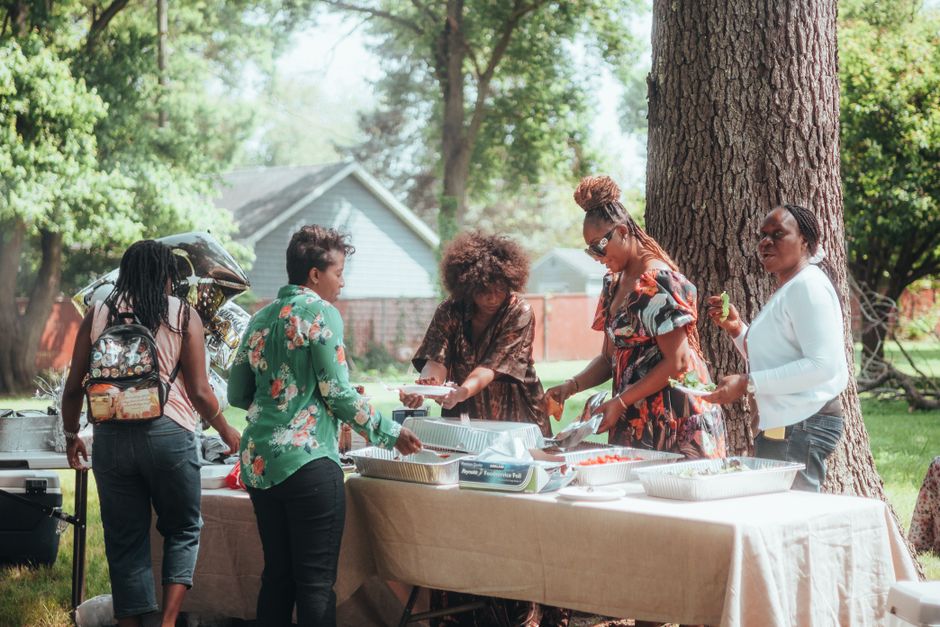
Living in a connected community is directly linked to improved mental health and increased physical activity.
The benefits of a neighborhood network extend beyond your property line and into your personal well-being, a core focus of our research into global real estate and healthcare trends. Fostering these local connections actively combats loneliness and creates a supportive environment that encourages a healthier, more active lifestyle.
Reducing Stress and Combating Isolation
A growing body of evidence shows the profound negative health impacts of social isolation. The U.S. Surgeon General has highlighted that a lack of social connection can increase the risk for premature death to levels comparable to smoking daily. A strong neighborhood network provides a powerful antidote. Simple, regular interactions—a wave from across the street, a brief chat while getting the mail, or a compliment on a new garden plant—create a sense of belonging and community. This feeling of being seen and connected reduces the chronic stress that often accompanies isolation and provides a crucial buffer against life’s challenges.
Creating Organic Opportunities for Fitness
Connecting with neighbors is a fantastic way to integrate fitness into your social life, making it feel less like a chore and more like a natural part of your day. This is a perfect example of how real estate and health intersect. A friendly neighborhood might spawn a morning walking or running group. Parents can coordinate to take their kids to a local park, turning supervision into an active social hour. Group bike rides, shared gardening projects, or even a neighborhood game of pickleball are all activities that emerge organically from strong community ties, promoting physical health for all ages.
The Support System for Life’s Challenges
Life is unpredictable, and a strong neighborhood network provides an essential support system during difficult times. When a family welcomes a new baby, neighbors often rally with meals and offers to help. During an illness or after a surgery, they can assist with errands like grocery shopping or mowing the lawn. This web of mutual support provides not only practical assistance but also invaluable emotional comfort, reinforcing the knowledge that you are not alone.
Building a neighborhood network starts with small, consistent actions, not grand gestures.
You don’t need to be a professional event planner or an extreme extrovert to cultivate a more connected community. The foundation of a strong neighborhood is built on simple, repeatable gestures of friendliness and a willingness to be open to connection.
Step 1: Be Visible and Be Friendly
The first and most important step is simply to be present. Spend time in your front yard instead of your backyard. Take a walk around the block in the evening. When you see a neighbor, make eye contact, smile, and offer a simple “hello.” Make an effort to learn the names of your immediate neighbors, their children, and even their pets. Remembering and using someone’s name is a small act that shows you see them as an individual and makes future conversations much easier.
Step 2: Create a Simple Communication Channel
In the digital age, a simple group chat can be a powerful tool for community building. Suggest starting a low-key communication channel for your street or block, such as a WhatsApp group, a simple group text, or a private Facebook group. The key is to start with practical, useful information. Use it to share alerts like, “Heads up, a water main broke on the next street over,” or to ask for help: “Does anyone have a recommendation for a good local plumber?” This utility builds trust and gets people comfortable with communicating, paving the way for more social interactions later.
Step 3: Organize a “Low-Lift” Gathering
Once a baseline of friendliness is established, propose a simple, low-pressure get-together. The goal is connection, not a perfectly curated event. Suggest a “Driveway Drinks Friday” where people can bring their own chair and beverage to chat at the end of the week. Organize a designated time for kids to meet and play at a nearby park. Simple seasonal events like a Halloween “trunk-or-treat” in a shared cul-de-sac or a holiday cookie exchange require minimal planning but yield maximum connection.
Understanding the link between community health and property value is central to a modern real estate strategy.
The traditional view of real estate often focuses exclusively on the physical structure and its location. However, a more forward-thinking approach recognizes that the vitality of the surrounding community is a powerful and predictable driver of long-term value and personal well-being.
The croatan24.com Perspective
Here at croatan24.com, we track global trends in real estate, fitness, and healthy living. What we see time and again, from bustling urban centers to quiet suburban enclaves, is that the most resilient and valuable properties are located in communities with a strong social fabric. This social capital is an asset you can’t see on a spreadsheet, but it is one that pays immense dividends in terms of financial security, safety, and quality of life. It’s a universal principle that a healthy community fosters healthy individuals and healthy investments.
Investing in Community is Investing in Your Equity
The time and small efforts you spend building relationships with your neighbors should be viewed as a direct investment in your home. Every friendly conversation, every shared tool, and every neighborhood get-together strengthens the social ties that make your street a safer, more desirable, and ultimately more valuable place to live. This investment protects not only your financial equity but also enriches your daily life in ways that no home renovation ever could.
Wrapping Up
We began with the simple act of borrowing a cup of sugar—a transaction of convenience. But the true goal is to build something far more profound. It’s about creating a community where you don’t just borrow from your neighbors, but you look out for them, support them, and share in the collective project of making your street a better place to live. By doing so, you build a powerful, multi-layered defense around your biggest investment and, in the process, cultivate a richer, healthier, and more connected life for yourself and your family.
Frequently Asked Questions
What is a ‘neighborhood network’ and why is it important for my home?
A neighborhood network is the social and security infrastructure you build with your neighbors. It’s more than just being friendly; it’s a powerful asset that actively protects what is likely your biggest financial investment: your home.
How does a connected neighborhood increase security?
A strong neighborhood network functions as an informal security system. When neighbors know each other and look out for one another, it helps deter crime and allows for rapid assistance in case of an emergency.
Can my relationship with my neighbors really affect my property value?
Yes. Connected communities are often perceived as safer and more desirable places to live. This positive perception can lead to higher and more stable property values over time.
What are the main benefits of building a strong neighborhood network?
The key benefits include increased security, higher property values, and improved mental and physical health. It transforms your street into a supportive and protective community.