Do certain foods help with drug addictions? The answer to this question may surprise you. There are certain foods that...






Do certain foods help with drug addictions? The answer to this question may surprise you. There are certain foods that...

If you’re looking for a way to get the most out of your workout, then you may have heard about...


If you’re looking for a way to get the most out of your workout, then you may have heard about...
Regular exercise is key to stress relief and good mental and physical health. Unfortunately, women who have to balance work...

Beyond Borrowing Sugar: How a Neighborhood Network Can Protect Your Biggest Investment The classic image is a familiar one: a...


The classic image is a familiar one: a quick knock on the door, a friendly smile, and the simple request for a cup of sugar. It’s the quintessential neighborly exchange, a small act of trust and convenience. While this gesture is pleasant, the true value of a connected neighborhood goes far deeper. It’s about building a social and security infrastructure that actively protects what is likely your single biggest financial asset: your home.

At croatan24.com, we explore the intersection of real estate, health, and fitness, bringing you news and insights from around the world. We believe that where you live profoundly impacts how you live, and a strong community is the cornerstone of both a valuable property and a healthy life. The connections you forge with the people on your street are more than just social niceties; they are a powerful, living asset with tangible returns.
This article will break down exactly how a robust neighborhood network provides these returns—from increased security and higher property values to improved mental and physical health—and give you practical steps to start building one today.
A connected neighborhood is a critical asset that protects your home investment by increasing security, boosting property value, and lowering maintenance costs. This social network also directly improves your personal health and well-being by fostering a sense of belonging and creating opportunities for shared activities.
While security cameras and alarm systems are useful tools, they are fundamentally reactive. A network of neighbors who know each other’s routines and look out for one another, however, is a proactive deterrent to crime and a faster response system for emergencies. This human element provides a layer of security that technology alone cannot replicate.
The concept of natural surveillance is a cornerstone of urban safety. When neighbors are familiar with the daily rhythm of their street, they become incredibly effective at spotting anomalies. An unfamiliar vehicle lingering for too long, a stranger trying a door, or packages piling up on a porch when the residents are known to be away are all red flags that a connected neighbor is likely to notice. This informal watchfulness disrupts the anonymity that criminals often rely on. A simple text message—”Hey, saw a delivery for you, brought it inside to keep it safe,” or “Is someone supposed to be working on your house today?”—can be the difference between a close call and a significant loss.
In a crisis, the people next door are often the true first responders. During a medical emergency, a house fire, or a severe weather event, neighbors can provide immediate aid in the critical minutes before professional help arrives. Consider a scenario like a sudden blizzard or hurricane; a neighborhood network quickly activates to check on elderly residents, share resources like generators or batteries, and clear debris collectively. This communal resilience is an invaluable asset that can save property and, more importantly, lives.
The benefits of this network extend to everyday peace of mind. Knowing you have a trusted neighbor who can hold a spare key can save you from an expensive and frustrating late-night call to a locksmith. This same network is perfect for preventing package theft—a common and growing problem—by having someone grab your deliveries. It also provides a safety net for pets, with neighbors who can check in on an animal if you’re delayed getting home or help search for one that has slipped out the door. These small favors reduce daily stress and reinforce a sense of mutual support.
The market value of your home is determined by much more than its square footage and the quality of its finishes; it is heavily influenced by the perceived quality of life in the surrounding area. A friendly, well-maintained, and safe-feeling neighborhood is a powerful selling point that prospective buyers are often willing to pay a premium for.
When a sense of community pride exists, it naturally translates into better-maintained properties. There’s a subtle but powerful form of positive peer pressure at play: when your neighbors’ lawns are neatly trimmed and their gardens are thriving, you are more motivated to keep your own property looking its best. This collective effort elevates the aesthetic of the entire street, significantly boosting its curb appeal. This isn’t about formal rules or HOA enforcement; it’s about a shared, unspoken agreement to maintain a beautiful and welcoming environment, which directly impacts every homeowner’s equity.
Real estate agents often speak of a neighborhood’s “vibe” or “feel,” and this intangible quality has a very tangible effect on property values. When potential buyers drive through a neighborhood and see people walking and talking, children playing outside, and well-tended public spaces, it signals a healthy, thriving community. This visible social interaction is a powerful indicator of a desirable place to live. Word-of-mouth recommendations from happy residents further solidify this reputation, often leading to faster sales and higher offers when a home does go on the market.
A connected community also offers direct financial benefits by reducing the ongoing costs of homeownership. Instead of every household owning a full set of seldom-used tools, neighbors can easily borrow items like a pressure washer, a tall ladder, or specialized gardening equipment. This collaborative approach extends to services as well. Neighbors can go in together on bulk landscaping supplies, split the cost of a tree trimming service, or share trusted recommendations for plumbers, electricians, and other contractors. This network can be especially vital for solving maintenance emergencies, providing a reliable local contact who can grant access or assess a situation when you’re away.

The benefits of a neighborhood network extend beyond your property line and into your personal well-being, a core focus of our research into global real estate and healthcare trends. Fostering these local connections actively combats loneliness and creates a supportive environment that encourages a healthier, more active lifestyle.
A growing body of evidence shows the profound negative health impacts of social isolation. The U.S. Surgeon General has highlighted that a lack of social connection can increase the risk for premature death to levels comparable to smoking daily. A strong neighborhood network provides a powerful antidote. Simple, regular interactions—a wave from across the street, a brief chat while getting the mail, or a compliment on a new garden plant—create a sense of belonging and community. This feeling of being seen and connected reduces the chronic stress that often accompanies isolation and provides a crucial buffer against life’s challenges.
Connecting with neighbors is a fantastic way to integrate fitness into your social life, making it feel less like a chore and more like a natural part of your day. This is a perfect example of how real estate and health intersect. A friendly neighborhood might spawn a morning walking or running group. Parents can coordinate to take their kids to a local park, turning supervision into an active social hour. Group bike rides, shared gardening projects, or even a neighborhood game of pickleball are all activities that emerge organically from strong community ties, promoting physical health for all ages.
Life is unpredictable, and a strong neighborhood network provides an essential support system during difficult times. When a family welcomes a new baby, neighbors often rally with meals and offers to help. During an illness or after a surgery, they can assist with errands like grocery shopping or mowing the lawn. This web of mutual support provides not only practical assistance but also invaluable emotional comfort, reinforcing the knowledge that you are not alone.
You don’t need to be a professional event planner or an extreme extrovert to cultivate a more connected community. The foundation of a strong neighborhood is built on simple, repeatable gestures of friendliness and a willingness to be open to connection.
The first and most important step is simply to be present. Spend time in your front yard instead of your backyard. Take a walk around the block in the evening. When you see a neighbor, make eye contact, smile, and offer a simple “hello.” Make an effort to learn the names of your immediate neighbors, their children, and even their pets. Remembering and using someone’s name is a small act that shows you see them as an individual and makes future conversations much easier.
In the digital age, a simple group chat can be a powerful tool for community building. Suggest starting a low-key communication channel for your street or block, such as a WhatsApp group, a simple group text, or a private Facebook group. The key is to start with practical, useful information. Use it to share alerts like, “Heads up, a water main broke on the next street over,” or to ask for help: “Does anyone have a recommendation for a good local plumber?” This utility builds trust and gets people comfortable with communicating, paving the way for more social interactions later.
Once a baseline of friendliness is established, propose a simple, low-pressure get-together. The goal is connection, not a perfectly curated event. Suggest a “Driveway Drinks Friday” where people can bring their own chair and beverage to chat at the end of the week. Organize a designated time for kids to meet and play at a nearby park. Simple seasonal events like a Halloween “trunk-or-treat” in a shared cul-de-sac or a holiday cookie exchange require minimal planning but yield maximum connection.
The traditional view of real estate often focuses exclusively on the physical structure and its location. However, a more forward-thinking approach recognizes that the vitality of the surrounding community is a powerful and predictable driver of long-term value and personal well-being.
Here at croatan24.com, we track global trends in real estate, fitness, and healthy living. What we see time and again, from bustling urban centers to quiet suburban enclaves, is that the most resilient and valuable properties are located in communities with a strong social fabric. This social capital is an asset you can’t see on a spreadsheet, but it is one that pays immense dividends in terms of financial security, safety, and quality of life. It’s a universal principle that a healthy community fosters healthy individuals and healthy investments.
The time and small efforts you spend building relationships with your neighbors should be viewed as a direct investment in your home. Every friendly conversation, every shared tool, and every neighborhood get-together strengthens the social ties that make your street a safer, more desirable, and ultimately more valuable place to live. This investment protects not only your financial equity but also enriches your daily life in ways that no home renovation ever could.
We began with the simple act of borrowing a cup of sugar—a transaction of convenience. But the true goal is to build something far more profound. It’s about creating a community where you don’t just borrow from your neighbors, but you look out for them, support them, and share in the collective project of making your street a better place to live. By doing so, you build a powerful, multi-layered defense around your biggest investment and, in the process, cultivate a richer, healthier, and more connected life for yourself and your family.
Selling your home in Indianapolis is one of the most significant financial transactions you’ll ever make. But between staging, showings, and negotiations, the single biggest factor impacting your net profit is often the most confusing: real estate commission. Understanding the different commission models available can feel overwhelming, yet choosing the right one can save you thousands of dollars. How do you know which path is right for your property and your financial goals?

At croatan24.com, we believe that financial well-being is a cornerstone of a healthy, stress-free life. We provide news and insights on real estate and healthy living from around the world to empower you to make informed decisions that benefit both your wallet and your overall wellness. This guide will demystify the various real estate commission models available to Indianapolis home sellers, providing a clear comparison to help you maximize your profit and move forward with confidence.
For Indianapolis home sellers, the standard 5-6% real estate commission is no longer the only option. Alternative models like flat-fee listings and discount brokerages offer ways to save thousands, but they come with trade-offs in service and seller involvement. The best choice depends on balancing your budget, your timeline, and how much work you’re willing to do yourself to maximize your final profit.
The most common structure you’ll encounter is a percentage-based commission, typically 5-6% of the final sale price, which is split between the agent representing you and the agent who brings the buyer. This model has long been the standard in the industry, offering a comprehensive, hands-off experience for the seller in exchange for a percentage of the home’s value.
When you sign a listing agreement with a traditional real estate agent, you agree to a total commission percentage. This amount is then divided, usually equally, between the two brokerages involved in the transaction.
The key thing for sellers to understand is that you typically pay for both agents’ commissions from the proceeds of your sale.
Example Calculation: Let’s say your Indianapolis home sells for $350,000 with a 6% commission agreement.
This $21,000 is deducted from your sale proceeds at closing.
Pros:
Cons:
For a single upfront payment, a flat-fee service will list your property on the local Indianapolis MLS, but you will be responsible for nearly every other aspect of the sale. This model unbundles real estate services, allowing you to pay only for what you absolutely need: access to the agent-only database.
The core service is simple: getting your home listed on the MIBOR BLC. This ensures your property appears on major real estate websites like Zillow, Realtor.com, and Redfin, which pull their data from the MLS. Beyond that, services are typically offered a la carte. You can often pay extra for:
A critical point to remember is that a flat-fee service only covers the listing side. You must still offer a competitive commission to the buyer’s agent, typically 2.5-3%. Without this incentive, most agents will not show your property to their clients, severely limiting your pool of potential buyers.
Best for:
Risks:
Discount brokerages offer many of the same services as traditional realtors, such as professional marketing and negotiation support, but they do so for a lower commission rate, often around 1-1.5% for the listing side. These firms leverage technology and team-based models to create efficiencies that allow them to pass savings on to the consumer.
While the end goal is the same, the process can feel different. Instead of one dedicated agent, you might interact with a team where different specialists handle different parts of the transaction (e.g., a listing coordinator, a showing specialist, a transaction coordinator). For Indianapolis sellers, the disruptive “Full-Service for 1%” model from firms like One Percent Lists Indianapolis Indiana Real Estate provides a compelling middle ground, aiming to deliver comprehensive services at a fraction of the traditional cost. These models often rely heavily on technology to streamline communication and paperwork, making the process more efficient.
Pros:
Cons:
Selling your home completely on your own as a FSBO allows you to avoid paying a listing agent’s commission, but data shows FSBO homes often sell for less than agent-assisted homes. According to the National Association of REALTORS®’ 2023 Profile of Home Buyers and Sellers, the median sales price for FSBO homes was $310,000, significantly lower than the median of $405,000 for agent-assisted sales. While this gap can be attributed to many factors, it highlights the financial risk of going it alone.
When you choose the FSBO route, you become the agent. This means you are solely responsible for:
While you save the 3% listing commission, you will likely still need to pay the buyer’s agent commission (3%). Most serious buyers are represented by an agent, and those agents expect to be compensated for bringing a qualified buyer to the table. Therefore, your maximum potential savings is around 3%, not the full 6%. The biggest risk remains leaving money on the table due to inexperience in pricing, marketing, or negotiation, which can easily wipe out any commission savings.
There is no single “best” commission model; the optimal choice is a personal decision based on a clear-eyed assessment of your own skills, time, and the current state of the Indianapolis real estate market.
| Feature | Traditional (5-6%) | Flat-Fee MLS | Discount Brokerage (1-2% Listing Fee) | For Sale By Owner (FSBO) |
|---|---|---|---|---|
| Typical Cost | Highest | Low Upfront Fee + Buyer Agent % | Moderate | Buyer Agent % Only |
| Level of Service | Full-Service, Comprehensive | Minimal (MLS Listing Only) | Full-Service, Often Tech-Driven | DIY (You do everything) |
| Seller Effort | Low | High | Low-to-Moderate | Very High |
| Best For… | Sellers wanting maximum support and minimal involvement. | Experienced sellers in a strong market. | Sellers seeking savings with professional guidance. | Confident negotiators with ample free time. |
The decision of how to sell your home is more than a transaction; it’s a strategic move that directly impacts your financial security and reduces future stress, which is a core principle of the healthy living philosophy we champion at croatan24.com.
Financial stress is a well-documented cause of anxiety, sleep loss, and other health problems. The profit from your home sale is a powerful tool for building a more secure and less stressful future. It can be the down payment on your next home, a significant boost to your retirement savings, or the capital needed to pursue a passion project. By carefully considering your commission options, you are taking an active role in maximizing that tool.
By taking the time to understand your options—from traditional agents to the expert services offered by One Percent Lists Indianapolis Indiana Real Estate—you are taking control of your financial future. This proactive approach to major life decisions is fundamental to building a resilient and healthy life. Making informed choices about your finances is just as important as making healthy choices about your diet or fitness routine. It’s all part of a holistic strategy for a better life, a topic we explore daily as we gather insights on real estate and healthy living from around the world.
We’ve explored the four main commission models available to you as an Indianapolis home seller: the all-inclusive traditional percentage, the DIY-focused flat-fee MLS service, the balanced discount brokerage, and the high-risk, high-reward FSBO path. The “right” choice is entirely unique to your situation, your comfort level with risk, and your personal financial goals.
Weigh the potential cost savings of each model against the required effort and expertise. Selling your home is a major step in your life’s journey. By making an informed decision, you’re not just selling a property; you’re investing in your long-term financial wellness. For more insights on how major life decisions in real estate and finance connect to a healthier, happier you, we invite you to explore the comprehensive resources and articles available at croatan24.com. You can start by browsing our latest posts or reviewing our site pages for more information.
The image is iconic: a rugged stone arch marking the point where the desert kisses the sea, where the turquoise waters of the Sea of Cortez meet the deep blue of the Pacific Ocean. You’ve decided on the paradise of Los Cabos for your next real estate investment or new home. But now comes the crucial question: where, exactly, do you plant your roots? While they share the same stunning coastline, the twin towns of Cabo San Lucas and San José del Cabo offer two distinctly different lifestyles and, consequently, two very different real estate markets.

Here at croatan24.com, we believe that where you live is the cornerstone of a healthy, fulfilling life. As your global source for news on real estate and healthy living, we’re here to help you navigate these crucial decisions, whether you’re investing in Mexico or anywhere else in the world. This guide will break down the key differences in atmosphere, real estate, and lifestyle to help you decide which “Cabo” is the perfect fit for your personal and investment goals.
Cabo San Lucas is the vibrant, bustling party hub with a real estate market geared towards high-energy vacationers and rental income. San José del Cabo is the quiet, charming art-and-culture town with a market focused on relaxed, long-term residential living.
The fundamental “vibe” of each city is the most critical factor for lifestyle compatibility, directly influencing your daily routines, social circles, and overall sense of well-being.
Imagine a place where the energy is palpable from sunup to long after sundown. That is Cabo San Lucas. Its atmosphere is bustling, energetic, and unapologetically tourist-centric. The world-famous Marina is the city’s heartbeat, a constant parade of luxury yachts, fishing charters, and sunset cruises. From there, the energy spills onto Medano Beach, where beachfront bars serve cocktails all day and the sound of music and laughter fills the air.
This is the Cabo of world-famous nightlife, where establishments like Cabo Wabo Cantina have become legends. It’s a destination for boat tours to the Arch, whale watching excursions, and an endless array of water-based activities. The city attracts younger crowds, spring breakers, and anyone who thrives on social energy and wants to be at the center of the action. If your idea of a perfect day involves a morning of deep-sea fishing, an afternoon on a lively beach, and an evening of bar-hopping, San Lucas is calling your name.
Just a 20-mile drive down the Tourist Corridor lies a completely different world. San José del Cabo is the region’s laid-back, sophisticated, and culturally rich soul. The atmosphere here is defined by a sense of authentic, historic Mexico. The heart of the town is its colonial downtown Art District, a charming collection of cobblestone streets, colorful buildings, and high-end art galleries.
Life here moves at a slower pace. The highlight of the week is the Thursday evening Art Walk (November through June), where locals and visitors stroll through galleries, sipping wine and meeting artists. The town is also home to a protected estuary, a lush palm oasis perfect for bird watching and quiet walks. San José has cultivated a reputation as a culinary destination, renowned for its farm-to-table restaurants like Flora Farms and Acre, which offer organic, gourmet experiences in stunning rustic settings. This tranquil environment attracts families, retirees, artists, and anyone seeking a peaceful retreat with a strong sense of community and culture.
Your choice of location will dictate not only your lifestyle but also the type of property you’re likely to find and the investment strategy that makes the most sense.
The real estate market in Cabo San Lucas is built around its status as a world-class tourist destination. The focus is overwhelmingly on properties that cater to visitors, creating a high demand for short-term vacation rentals.
In contrast, the real estate landscape in San José del Cabo is geared more towards long-term residential living and the luxury second-home market. It’s a place where people come to live, not just to visit.
| Feature | Cabo San Lucas | San José del Cabo |
|---|---|---|
| Atmosphere | High-energy, vibrant, social | Tranquil, historic, cultural |
| Primary Focus | Tourism, nightlife, water sports | Arts, fine dining, relaxation |
| Real Estate | Condos, vacation rentals | Luxury villas, family homes |
| Investment Goal | High rental income potential | Capital appreciation, personal use |
| Wellness Style | Active, high-intensity fitness | Mindful, holistic wellness |
A core belief at croatan24.com is that your environment profoundly impacts your health. The fitness and wellness opportunities in each Cabo are tailored to their unique personalities.
The fitness style in San Lucas is as energetic as its social scene: active, loud, and social. This is the place for those who are motivated by group energy and action-packed days. Wellness here is about pushing your limits.
You’ll find state-of-the-art gyms like ModuVated offering intense classes, beach bootcamps held on the sands of Medano Beach, and endless opportunities for physically demanding water sports. Days can be filled with stand-up paddleboarding, kayaking to Lover’s Beach, jet-skiing, or the rigorous sport of deep-sea fishing. It’s also a hub for endurance athletes, hosting events like the Los Cabos Triathlon, which attracts competitors from around the globe.

Wellness in San José del Cabo takes a more holistic, calm, and nature-oriented approach. The focus is on balance, mindfulness, and connecting with the serene environment.
This is a haven for yoga and pilates enthusiasts, with numerous studios offering classes for all levels. A perfect morning might involve a quiet walk or run through the lush estuary, spotting the diverse birdlife. The relatively flat terrain of the hotel zone is ideal for leisurely bike rides along the coast. A cornerstone of the wellness lifestyle here is the focus on clean eating, highlighted by the popular Saturday organic market where local farmers sell fresh produce. And, of course, there is golf—a meditative sport played on some of the world’s most picturesque and tranquil courses designed by legends like Jack Nicklaus and Greg Norman.
Practical financial considerations are a key part of any real estate decision, and the two towns present different economic landscapes.
In Cabo San Lucas, the cost of living is heavily influenced by tourism. Dining out at restaurants along the marina or Medano Beach can be expensive, on par with major U.S. cities. The cost of entertainment is also higher, driven by the vibrant nightlife, excursions, and tours. However, like any city, more budget-friendly options and local taquerias exist if you venture away from the main tourist strips.
San José del Cabo can feel more moderately priced in terms of daily life. While it boasts some of the most exclusive and expensive fine-dining experiences in the region, the town center offers a wider array of affordable, authentic restaurants. The focus on local markets for groceries can also lead to lower household expenses compared to the large, tourist-focused supermarkets more common in San Lucas.
The value proposition in each market is different. In Cabo San Lucas, price is largely dictated by proximity to the action. A modern, two-bedroom condo with an ocean view near the marina might carry a similar price tag to a much larger single-family home located further inland. You are paying a premium for walkability and access to the tourist core.
In San José del Cabo, you may find that your investment buys more square footage or land, particularly in established residential neighborhoods. However, the market’s high end is exceptionally robust, with properties in luxury gated communities like Palmilla or Querencia commanding prices well into the multi-millions. Here, the premium is for privacy, security, and access to world-class amenities like private golf courses and beach clubs. As you navigate this process, understanding local regulations is key; a safety guide for buying a home in Los Cabos can be an invaluable resource.
Our global perspective on real estate is always viewed through the lens of health and wellness, framing your property purchase as a foundational lifestyle decision.
We champion the concept of “lifestyle investing.” Choosing a home isn’t just about analyzing square footage and property taxes; it’s about consciously selecting a community, a pace of life, and a set of daily habits that will support your long-term well-being. Your environment can either be a source of stress or a foundation for health.
The choice between the two Cabos is a perfect example. Are you investing in a lifestyle that promotes social connection and high-energy physical activity? Or are you investing in one that fosters tranquility, creativity, and mindful living? Neither is inherently better, but one is undoubtedly better for you.
This dynamic—a high-energy hub situated next to a tranquil, cultured neighbor—is a pattern we see in real estate markets worldwide. Think of the vibrant energy of Miami versus the refined quiet of Palm Beach, or the party-centric island of Ibiza versus its calmer Balearic sister, Mallorca. Understanding these lifestyle nuances is key to making a successful international real estate investment. As a global resource, croatan24.com is dedicated to helping you understand these distinctions, providing news and insights on real estate and healthy living from every corner of the map.
To make the final decision easier, here is a simple breakdown to help you align your desires with the right destination.
In the end, there is no “better” Cabo, only the one that is better suited to your unique vision for life. Cabo San Lucas is the undeniable heart of the region, pumping with energy, excitement, and endless activity. San José del Cabo is its soul, a place rich with culture, history, and a profound sense of tranquility. They are two sides of the same beautiful coin, offering distinct pathways to paradise.
We strongly encourage you to spend significant time in both towns before making a decision. Walk the streets, sample the food, talk to the locals, and feel the rhythm of each place. Choosing where to live is one of the most significant health and lifestyle decisions you will ever make. By aligning your choice with your core values, you aren’t just buying a property; you are investing in a future of well-being.
Author: The croatan24.com Team

Publish Date: October 26, 2023
For Colorado homeowners, the economic climate has shifted palpably. The frenetic, seller-dominated market of the past few years, characterized by bidding wars and lightning-fast sales, has given way to a more balanced, yet undeniably complex, landscape. Influenced by rising interest rates, persistent inflation, and evolving job markets, a sense of uncertainty has settled over the Front Range and beyond. Many are asking: what does this mean for my home, my finances, and my family’s future?
Here at croatan24.com, we believe that a secure home is the foundation of a healthy life. As your global source for news on real estate and healthy living, we understand that financial stability and personal well-being are deeply intertwined. This guide isn’t just about numbers; it’s about empowering you to create a stable, stress-free environment in your Colorado home. This article will provide a clear, actionable financial guide for Colorado homeowners to not only protect their most significant asset but also to enhance their overall quality of life during this economic shift.
Colorado’s economy is shifting, causing financial stress for homeowners. To navigate this, focus on reviewing your mortgage options, managing rising costs like property taxes, and leveraging home equity wisely. A stable financial plan for your home is crucial for reducing stress and supporting a healthy lifestyle, a core principle we champion at croatan24.com.
Colorado’s economy is currently recalibrating, influenced by national interest rate hikes and a normalization of the housing market. This shift from an overheated environment to a more sustainable pace is a crucial context for every homeowner in the state. Understanding the “why” behind this change transforms anxiety into informed action.
The primary driver of this change has been the Federal Reserve’s series of interest rate hikes aimed at curbing national inflation. These policies have a direct impact on mortgage rates, which have more than doubled from their historic lows. According to Freddie Mac, the average 30-year fixed-rate mortgage has climbed significantly, fundamentally altering the calculus for potential homebuyers. This has cooled the once-frenzied buyer demand, leading to an increase in housing inventory across the state. Homes are sitting on the market longer, giving buyers more leverage than they’ve had in years.
Simultaneously, key Colorado sectors are adapting. The tech industry, a major driver of growth in areas like Denver and Boulder, has seen a wave of recalibration, while the tourism sector in mountain towns continues to navigate post-pandemic travel patterns. This doesn’t signal a downturn but rather a transition to a more historically normal economic rhythm.
The most pressing fear for many homeowners is a significant drop in property value. It’s essential to distinguish between a market correction and a market crash. A crash implies a rapid, steep, and widespread decline. What Colorado is experiencing is more of a stabilization or a modest correction. After years of double-digit appreciation, a flattening or slight dip in prices is a sign of a market returning to balance.
Data from the Colorado Association of REALTORS® shows that while the pace of price growth has slowed dramatically, median prices in many areas remain well above pre-pandemic levels. The dynamics vary by region; the Denver Metro area may experience different pressures than the Western Slope or the communities along the Front Range. The key is that the foundational demand for housing in Colorado, driven by a strong quality of life and desirable location, remains robust. Your home’s value isn’t vanishing; it’s simply adjusting to a new economic reality.
Proactive financial strategies are essential for homeowners to safeguard their home equity during periods of economic uncertainty. Instead of passively worrying about market shifts, taking control of your home’s finances can provide security and open up new opportunities. This involves a careful review of your mortgage, a strategic approach to home equity, and building a financial safety net.
With current interest rates higher than they’ve been in over a decade, traditional refinancing to get a lower rate is off the table for most homeowners who bought or refinanced in recent years. However, other options exist.
Your home equity is a powerful financial tool, but it must be used with caution in an uncertain economy. Two primary instruments allow you to access it: Home Equity Lines of Credit (HELOCs) and Home Equity Loans.
| Feature | Home Equity Line of Credit (HELOC) | Home Equity Loan |
|---|---|---|
| Structure | A revolving line of credit you can draw from as needed. | A one-time, lump-sum loan. |
| Interest Rate | Typically a variable rate that can change over time. | Typically a fixed interest rate for the life of the loan. |
| Repayment | Often interest-only payments during the “draw period,” followed by principal and interest. | Fixed monthly payments of principal and interest from the start. |
| Best For | Ongoing projects with unpredictable costs (e.g., a necessary repair) or as an emergency fund. | Large, one-time expenses with a known cost (e.g., debt consolidation, a specific renovation). |
The golden rule in today’s climate is to avoid tapping into equity for discretionary spending. Using it to consolidate high-interest credit card debt or to fund a critical repair that protects your home’s value can be a smart move. Using it for a luxury vacation is a significant risk.

Separate from your personal emergency fund, a “Home Emergency Fund” is a dedicated savings account for unexpected major repairs. Think of the big-ticket items: a new furnace in the middle of a Colorado winter, a hail-damaged roof, or a failed water heater. Having $5,000 to $10,000 set aside specifically for these events prevents you from having to liquidate investments or take on high-interest debt when disaster strikes. It’s a financial buffer that directly translates into peace of mind.
Homeowners can actively manage escalating household expenses by challenging property tax assessments and seeking better insurance deals. The squeeze on household budgets isn’t just from inflation at the grocery store; it’s also from the rising carrying costs of owning a home. Taking a proactive stance can free up hundreds, if not thousands, of dollars annually.
Property tax assessments in Colorado are based on property values, which soared in recent years. This has led to sticker shock for many homeowners receiving their latest assessment notices. However, these assessments are not set in stone. You have the right to appeal.
Homeowners insurance rates are on the rise, but you are not powerless.
Viewing energy efficiency as a direct cost-saving measure is a powerful mindset shift. While a full solar panel installation is a major investment, many smaller projects offer a quick and high return. Sealing air leaks around windows and doors, adding insulation to your attic, and installing a smart thermostat are relatively low-cost upgrades that can noticeably reduce your monthly utility bills, putting more money back in your pocket.
A stable financial footing directly supports mental and physical well-being, making your home’s financial health a cornerstone of a healthy life. This principle is at the very heart of our work at croatan24.com. We see real estate not just as an asset class, but as the environment where life, health, and wellness unfold.
Financial anxiety, particularly stress related to your mortgage and home expenses, is a powerful detriment to your health. The American Psychological Association has consistently found that financial stress is a major source of anxiety for Americans, leading to sleep loss, poor dietary choices, and the harmful physical effects of chronic stress. When you’re worried about making your house payment, it’s difficult to focus on fitness or prepare healthy meals. Creating a clear budget and a proactive financial plan for your home isn’t just a fiscal exercise; it’s a profound act of self-care that reduces cortisol levels and creates the mental space needed to focus on your well-being.
We encourage homeowners to see their home as a hub for well-being. As you manage your budget, consider allocating funds for things that directly improve your health at home. This doesn’t have to be extravagant. It could be a high-quality mattress that improves sleep, a set of resistance bands for a home fitness routine, or even the supplies for a small vegetable garden in the backyard. These small investments in your home environment can yield enormous returns in your quality of life.
At croatan24.com, our coverage of global real estate trends is always viewed through the lens of healthy living. We believe that navigating Colorado’s shifting economy is about more than just protecting an investment; it’s about securing the peace of mind that allows you and your family to thrive. By providing actionable financial guidance, we aim to empower you to build a foundation of stability from which your health and fitness goals can flourish. For a comprehensive look at our articles connecting these crucial topics, you can explore our full library of posts.
Strategic home maintenance and staying informed about local community development are key to future-proofing your Colorado property’s value. In a market that is no longer rising on its own, the choices you make as a homeowner matter more than ever.
The era of debt-fueled, large-scale cosmetic remodels with guaranteed returns is on pause. The focus now should be on maintenance and functionality.
Your property’s long-term value is intrinsically linked to the health of your community. Pay attention to local news. Is a new park being built nearby? Are there zoning changes proposed for your neighborhood? Is a major new employer moving to your town? These developments can have a profound impact on your home’s desirability and value over the next decade. Following your local city council and economic development plans is one of the most effective, no-cost ways to stay ahead of the curve.
Navigating Colorado’s shifting economy requires a shift in mindset from passive observer to active manager of your most significant asset. By understanding that the market is normalizing, not collapsing, you can take clear-headed action. This means proactively managing your mortgage and home equity, diligently controlling your carrying costs like property taxes and insurance, and always remembering the profound link between your financial plan and your personal well-being.
The steps you take today to create a financially sound home are direct investments in your future peace of mind. A stable home is the bedrock upon which a healthy, happy life is built. By embracing these strategies, you are not just weathering an economic change; you are reinforcing the foundation for your family’s long-term prosperity and health.
The familiar Louisiana symphony: the low hum of an air conditioner working overtime against the oppressive summer heat, the thick, humid air that seems to follow you indoors, and the seasonal wave of pollen that coats every surface. For many residents, this is just a part of life. But these aren’t just minor annoyances; they are persistent factors that directly impact your daily health, comfort, and financial well-being.

Here at croatan24.com, we’re dedicated to bringing you the latest news on real estate and healthy living from around the world. We believe that where you live directly impacts how you live. That’s why we’ve turned our focus to the unique challenges faced by homeowners in Louisiana. To get an expert perspective, we spoke with the team at Sunlight Contractors, a leading insulation specialist in the region, to uncover how a single home upgrade can transform your living space. The insights reveal that modern insulation is far more than just temperature control—it’s a foundational investment in a healthier, more resilient home.
This upgrade delivers five core benefits that address Louisiana’s most pressing homeownership challenges: significant energy savings, dramatically improved indoor air quality, enhanced moisture and pest control, a quieter home environment, and a tangible increase in property value.
For Louisiana homeowners, upgrading to modern insulation is a foundational investment for a healthier, more comfortable, and more valuable home. It offers five key health and financial benefits: lower energy bills, cleaner indoor air, robust protection from mold and pests, a quieter living space, and higher property value.
An investment in modern insulation is a financial strategy with a clear and substantial return, primarily through slashing your energy consumption. In a state where air conditioning is a necessity, not a luxury, controlling your home’s thermal performance is paramount.
Most older homes are significantly “under-insulated,” meaning they lack a sufficient thermal barrier to resist heat transfer. This is measured by an R-value, which indicates an insulation’s ability to resist heat flow. The higher the R-value, the better its performance. However, traditional insulation like fiberglass batts can leave gaps and settle over time, creating thermal bridges where energy is lost.
Modern solutions like spray foam insulation expand to fill every crack and crevice, creating a monolithic air seal. This seal is the key. It prevents the cool, conditioned air your HVAC system produces from escaping and stops the hot, humid Louisiana air from infiltrating. According to the U.S. Department of Energy, heating and cooling account for nearly half of the energy use in a typical U.S. home, a figure that is often higher in southern climates. By creating a superior air barrier, the strain on your air conditioner is dramatically reduced. As the spray foam insulation experts at Sunlight Contractors explain, this means the unit runs less often and for shorter periods, leading to immediate and significant savings on your monthly utility bills.
While the battle against summer heat is the primary concern, the benefits of a well-insulated home extend throughout the year. During Louisiana’s occasional cold snaps, the same thermal barrier that keeps heat out in August works just as effectively to keep warmth in during January. This year-round efficiency ensures that your investment continues to pay dividends no matter the season, stabilizing your energy costs and creating a consistently comfortable indoor environment.
Upgrading your insulation is a direct investment in your family’s respiratory health, transforming your home into a sanctuary from outdoor irritants. This is a critical aspect of the healthy living component of modern real estate.
The typical uninsulated or under-insulated attic, crawlspace, and wall cavities are full of unsealed gaps, cracks, and penetrations. These openings act as direct pathways for outdoor contaminants to enter your home. Every gust of wind can push pollen, dust, mold spores, and pollutants from vehicle exhaust or nearby industry directly into your living space. The U.S. Environmental Protection Agency (EPA) has found that concentrations of some pollutants are often two to five times higher indoors than outdoors.
Modern spray foam insulation addresses this problem at its source. By expanding to create a rigid, seamless barrier, it effectively seals these entry points. This process essentially filters the air that enters your home, drastically reducing the infiltration of airborne particles that can trigger respiratory issues.
For the millions of people who suffer from allergies and asthma, this benefit is life-changing. Louisiana’s long growing season means high pollen counts for much of the year. A well-sealed home provides a crucial refuge, minimizing exposure to these triggers. By creating a cleaner indoor environment, you provide a healthier space for children, the elderly, and anyone with respiratory sensitivities, directly contributing to the overall wellness of your household.
Modern insulation is a proactive defense mechanism against two of the most persistent and damaging problems for Louisiana homeowners: uncontrolled moisture and the pests that thrive in it.

Louisiana’s high humidity is relentless. When this warm, moist air infiltrates a home’s structure and comes into contact with cooler surfaces inside walls or attics—surfaces cooled by your air conditioner—condensation occurs. This moisture creates the perfect breeding ground for mold and mildew, which can cause significant health problems and structural rot.
Closed-cell spray foam insulation offers a powerful solution because it is non-permeable to water. It doesn’t just resist heat flow; it acts as a vapor barrier, preventing moisture-laden air from passing through it. For well over a decade, Sunlight Contractors has served the spray foam insulation and damage restoration needs of homeowners and businesses in Louisiana, and they emphasize that this moisture-blocking characteristic is critical for protecting a home’s structural integrity and preventing the costly remediation associated with mold infestations.
The same rigid, seamless seal that blocks air and moisture also presents a formidable barrier to pests. Insects like cockroaches and ants, as well as rodents, exploit tiny cracks and crevices in a home’s foundation, walls, and roofline to gain entry. By filling these gaps completely, spray foam insulation eliminates their hidden highways into your home. Furthermore, the inert polymer material of spray foam is not a food source for termites or other wood-destroying organisms, adding another layer of protection for your property.
A truly healthy home is not just comfortable in temperature but also serene. Modern insulation delivers a significant quality-of-life improvement by dampening unwanted noise, a benefit many homeowners don’t consider until they experience it.
The dense structure and air-sealing properties of materials like spray foam and dense-packed cellulose are highly effective at absorbing sound waves. This creates a noticeable reduction in noise pollution from the outside world. For Louisiana residents, this means the roar of a sudden thunderstorm is softened to a distant rumble. The sound of heavy traffic, lawnmowers, or noisy neighbors is significantly muffled, transforming your home into a more peaceful retreat from the disruptions of the outside world.
This acoustic benefit also extends to the interior of your home. When used in interior walls, floors, and ceilings, insulation can dramatically reduce sound transfer between rooms. This is ideal for creating quiet home offices, nurseries, or entertainment rooms, allowing for a more tranquil and functional living space for the entire family.
From a real estate perspective, upgrading your insulation is one of the smartest investments you can make, offering both immediate and long-term financial returns by making your property more valuable, durable, and desirable.
Today’s homebuyers are more educated and energy-conscious than ever before. Energy efficiency is no longer a niche feature but a major selling point. A home that can boast documented low utility bills and a high-performance insulation system is immediately more attractive on the real estate market. This upgrade can justify a higher asking price and may help the property sell faster. The investment signals to potential buyers that the home has been well-maintained and is built for long-term performance and savings.
Beyond market appeal, modern insulation is a protective measure for the structure of your home itself. As discussed, it defends the building envelope from moisture intrusion, which is a leading cause of wood rot, corrosion, and foundation issues. It also deters pests that can cause catastrophic damage over time. By safeguarding the structural components of your house, you are ensuring its longevity and stability. This frames the investment not merely as an upgrade for comfort, but as an essential act of preservation for your most valuable asset.
The shift towards creating healthier, more energy-efficient, and resilient homes is a powerful global trend shaping the future of real estate. From passive house standards in Europe to net-zero energy building codes in California, the world is recognizing that a home’s performance is intrinsically linked to the health of its occupants and the planet.
The expert insights from Sunlight Contractors in Louisiana serve as a perfect case study of how this worldwide movement is being adapted to solve specific, local challenges. The fight against intense humidity, high cooling costs, and storm-related vulnerabilities in the Gulf South is being won with the same principles of building science that are driving innovation globally. This reinforces the core mission of croatan24.com: to bring you actionable news on real estate and healthy living from around the world, demonstrating how global trends provide practical solutions right in your own backyard. You can explore more articles on these topics by browsing our comprehensive post sitemap.
Upgrading your home’s insulation is a transformative project that pays dividends in every aspect of your life. It’s a single investment that simultaneously delivers lower energy bills, cleaner air for your family to breathe, robust protection against moisture and pests, a quieter and more peaceful living environment, and a higher market value for your property. It moves beyond being a simple utility feature and becomes a foundational element of a truly modern, healthy, and resilient home.
This upgrade addresses the core challenges of Louisiana living head-on, turning your home from a place that battles the elements into a sanctuary that works in harmony with your goals for health, comfort, and financial security. For more insights on creating a healthier and more valuable living space, we invite you to explore our other articles and resources on healthy living and real estate trends available on our site pages.
The wind has died down, the rain has stopped, and an unnerving silence has replaced the roar of the storm. For a homeowner, this quiet moment is often filled with anxiety and uncertainty. The immediate threat is over, but the long and often confusing process of recovery is just beginning. Dealing with the aftermath—the damage, the disruption, and the daunting task of filing an insurance claim—can feel just as overwhelming as the storm itself.

At croatan24.com, we provide news and guidance on real estate and healthy living from around the world, and we understand that these two pillars of life are deeply connected. Protecting your most significant real estate asset, your home, is fundamental to your financial security. Simultaneously, maintaining your well-being and mental health during a profoundly stressful period is the essence of healthy living. This guide will provide a clear, step-by-step roadmap for homeowners to confidently navigate the insurance claim process, minimizing stress and ensuring you receive a fair settlement to restore both your home and your peace of mind.
After a storm, prioritize your family’s safety, extensively document all damage with photos and videos before cleaning, and contact your insurer immediately to initiate the claim process. A well-documented and organized approach is the key to securing a fair settlement and achieving a less stressful recovery.
This initial phase is about securing your property and ensuring the well-being of everyone in your household before you even think about the financial aspects of the claim. Your insurer expects you to take reasonable steps to protect your property from additional harm, a concept known as “mitigating damages.”
Before you begin assessing the damage to your property, you must first ensure the area is safe. Look for immediate and life-threatening hazards. Downed power lines are extremely dangerous; assume any fallen line is live and stay far away. If you smell gas or hear a hissing sound, evacuate the area immediately and call your gas company from a safe distance. Be wary of structural instability, such as sagging ceilings or cracked foundations, which could indicate the home is unsafe to enter. If you have any doubts about the safety of your utilities, turn them off at the main source—the main circuit breaker for electricity and the main shutoff valve for water and gas. If your home is uninhabitable, your priority is to relocate your family to a safe location.
Once you’ve determined it’s safe, your next step is to prevent the existing damage from getting worse. This doesn’t mean starting full-scale reconstruction, but rather taking temporary measures to secure your home. For example, cover a damaged roof with a tarp to prevent rain from causing further interior water damage. Board up broken windows to keep the elements out and secure the property. If you have standing water inside, begin the process of removing it and drying out the area to prevent mold growth, which can cause significant health issues and complicated insurance claims. It is crucial to keep every single receipt for materials you purchase for these temporary repairs, such as tarps, plywood, and cleaning supplies. These costs are typically considered part of your claim and are often reimbursable.
Your evidence is the foundation of your entire claim; the more detailed and organized it is, the stronger your case will be when negotiating with the insurance adjuster. Before you move a single piece of debris or start any cleanup, your first job is to become a meticulous documentarian.
Your smartphone is your most powerful tool in this process. Start by taking wide-angle photos and videos of the affected areas to establish the overall scope of the damage. Then, move in for close-up shots of specific issues—dented siding, missing shingles, cracked windows, water stains on the ceiling. Take more photos and videos than you think you will ever need, capturing every angle. As you record videos, narrate what you are seeing. For example, you might say, “This is the master bedroom. You can see the water stain on the ceiling is approximately four feet wide, and the water is dripping onto the hardwood floor, which is now starting to warp.” This narration provides valuable context that a silent video cannot.
With your visual evidence captured, it’s time to create a written list. Go through your home room by room and inventory every single damaged item. Be as specific as possible. Don’t just write “sofa”; write “three-seat, gray fabric sofa, Brand X, purchased in 2019 for $1,200.” For personal property like electronics, include the brand, model number, and approximate age. For structural damage, list the materials affected, such as “12×15 foot section of drywall in the living room” or “laminate wood flooring buckled in the hallway.” This detailed inventory will be invaluable when you fill out your claim forms and will help ensure you don’t forget to claim any damaged items.
It can be tempting to clear out ruined belongings to make space and begin the cleanup process. However, you should resist this urge. Keep all damaged items, unless they pose a serious health hazard (like moldy carpet), until your insurance adjuster has had a chance to inspect them in person. Showing the adjuster the ruined television or the water-logged piece of flooring provides undeniable proof of loss and can prevent disputes over the condition or value of an item.
Initiating the claim sets the wheels in motion, but it’s important to be prepared before and during this first official communication to ensure the process starts smoothly.
Before you call, locate your insurance policy documents. Find your policy number and the dedicated phone number for the claims department. It’s also wise to take a few minutes to briefly review your policy. Pay close attention to your deductible—the amount you have to pay out of pocket before your coverage begins. Understanding this figure upfront will help you manage your financial expectations. Also, get a general sense of your coverage areas. For example, most standard homeowner policies cover wind damage but require separate policies for flood damage.

When you speak with the insurance representative, remain calm and clear. Provide your name, address, and policy number. Give them a concise but comprehensive overview of the damage your home has sustained. Avoid speculation about the cause of damage; simply state the facts as you have documented them. During this call, it is essential that you ask for two key pieces of information: your claim number and the name and contact information of the adjuster who will be assigned to your case. Keep this information in a dedicated notebook or digital file where you will track all communication related to your claim. You can also ask if they have a list of preferred vendors for emergency services, but remember you are not obligated to use them.
The insurance adjuster’s report is one of the most significant factors in determining your final settlement offer, so your goal is to make it as easy as possible for them to see the full scope of the damage you have documented.
The adjuster is an inspector employed by the insurance company. Their role is to visit your property, assess the damage, and estimate the cost of repairs according to the terms of your policy. They will take their own photographs, measure affected areas, and compile a detailed report that will form the basis of the insurer’s settlement offer. While they work for the insurance company, a professional adjuster’s goal is to create an accurate report based on the evidence.
Treat the adjuster’s visit as a professional business meeting where you are advocating for your home. Have all your documentation—your photos, videos, and detailed inventory list—organized and ready to share. Be present for the entire inspection. Walk with the adjuster through your property and politely point out all the damage you have found, especially issues that might be less obvious, like water damage inside a closet or subtle signs of roof damage. By guiding them through your documented evidence, you help ensure nothing is overlooked. Maintain a polite and cooperative demeanor, but don’t hesitate to provide your own contractor’s estimates if you have already obtained them.
This process is a critical intersection of real estate asset management and personal well-being, the core focus of our work at croatan24.com. A well-managed claim is an investment in both your property and your health.
Your home is likely your largest financial investment. Incomplete or poor-quality repairs can significantly diminish its long-term value and create problems down the road. A properly managed insurance claim ensures that your home is restored to its pre-storm condition, thereby protecting your equity. Furthermore, a documented history of professional, warrantied repairs can be a positive selling point if you decide to move in the future, assuring potential buyers that the property was correctly restored after the storm. By taking control of the process, you are actively managing your real estate portfolio.
There is no denying the immense stress, anxiety, and emotional toll that comes with experiencing a storm and its aftermath. The claims process can feel like a second storm. This guide is designed to be a tool for empowerment. By providing a clear plan and actionable steps, it helps replace feelings of helplessness with a sense of control. Managing this process effectively reduces uncertainty and stress, which is vital for your mental and physical health. A secure, safe, and fully restored home is a cornerstone of well-being, providing the stability needed to move forward.
The final step in your recovery is the repair work itself, and making the right choice of contractor is crucial for both the quality of the restoration and your financial security. Post-storm environments are unfortunately a prime target for fraudulent contractors.
Be wary of “storm chasers”—out-of-town contractors who flock to disaster areas looking for quick work. According to the Federal Trade Commission, common warning signs include unsolicited door-to-door offers, high-pressure sales tactics, and demands for large upfront payments, especially in cash. A reputable contractor will not pressure you into signing a contract on the spot. Never sign any documents or hand over an insurance check until you have thoroughly vetted the contractor and are comfortable with the terms.
Your best defense against scams is due diligence. Always get at least three written estimates from different local contractors who have an established reputation in your community. Ask for proof of licensing and insurance—and verify it. Check their references by speaking to previous clients and, if possible, look at examples of their past work. Insist on a detailed, written contract that clearly outlines the full scope of work, the specific materials to be used, a project timeline, and a clear payment schedule. A professional contract protects both you and the contractor and is a hallmark of a legitimate business. For more insights on maintaining your property, you can explore the various posts and resources available on our site.
The journey from the storm’s aftermath to a fully restored home can be long and challenging. However, it is not an insurmountable one. By following a structured plan—secure your property, document everything, report the claim promptly, negotiate professionally, and repair wisely—you can take command of the situation. This process is about more than just rebuilding walls and replacing roofs; it’s about rebuilding your sense of security.
At croatan24.com, we are committed to providing practical, worldly information that helps you protect your real estate investments and live a healthier, more secure life. An empowered homeowner is a resilient one, capable of turning a moment of crisis into a testament to their strength and preparedness. We encourage you to browse our extensive collection of pages and guides for more news and advice on homeownership and well-being from around the globe.

Living on the Gulf Coast offers unparalleled beauty, from stunning sunsets to vibrant communities. However, this idyllic lifestyle comes with a significant responsibility: preparing for hurricane season. The threat of a major storm can be a source of immense stress for homeowners, turning a season of sunshine into one of anxiety.

At croatan24.com, we bring you news on real estate and healthy living from around the world. We believe that a secure home is the foundation of a healthy life. Protecting your most valuable asset isn’t just a financial decision; it’s a crucial step towards peace of mind and well-being. That’s why we’ve gone straight to the source for local, actionable advice.
To help you safeguard your property and your family, we consulted with the seasoned professionals at Priority Roofing, experts who work on the front lines of storm defense and recovery. They’ve shared their top five most impactful hurricane-proofing steps that every Gulf Coast homeowner should take before a storm is on the horizon.
To protect your Gulf Coast home from a hurricane, experts at Priority Roofing recommend focusing on five key areas: fortifying your roof, reinforcing all windows and doors, securing your landscape to prevent projectiles, implementing a water intrusion strategy, and creating a detailed documentation and insurance plan for financial protection.
Before we dive into the steps, it’s important to know who this advice comes from. Priority Roofing, a trusted source for durable, high-quality roofing solutions since 2012, is a leading expert in storm damage restoration and roofing solutions in coastal regions. Their teams have witnessed firsthand what works—and what doesn’t—when a hurricane makes landfall. Their recommendations are born from years of practical, in-the-field experience, making them an invaluable resource for any homeowner serious about protection. This practical advice, coming from the teams at Priority Roofing who have completed thousands of projects across the Gulf South, underscores the importance of professional guidance.
The experts at Priority Roofing, with over 50 years of combined construction experience, state that a roof failure is often the first event that leads to catastrophic home damage. High winds can lift shingles, tear off sheathing, and expose your entire home’s interior to the elements. A strong, well-maintained roof is your primary line of defense. According to the Federal Emergency Management Agency (FEMA), the loss of a roof can expose the entire contents of a home to the storm, leading to a total loss of the structure.
The first step toward a hurricane-ready roof is understanding its current condition. Have a qualified roofer perform a thorough inspection well before hurricane season begins. This allows ample time for any necessary repairs. The inspector will check for common vulnerabilities like loose or damaged shingles, failing sealant around vents and chimneys, and any soft spots in the decking that could indicate underlying water damage. This proactive check-up is the most cost-effective measure you can take.
One of the most common and devastating failures during a hurricane is when the roof lifts completely off the walls. This happens because high winds create immense upward pressure. To combat this, ask your contractor about installing hurricane straps or clips. These are pieces of galvanized metal that anchor the roof trusses directly to the wall studs, creating a continuous load path that holds your home together against powerful uplift forces. Retrofitting an existing home with these connectors is a significant structural upgrade that dramatically increases its resilience.
If your roof is nearing the end of its lifespan, a replacement offers a golden opportunity to upgrade your home’s defenses. Invest in materials specifically designed for high-wind environments. Class 4 impact-resistant shingles, for example, are tested to withstand the impact of a 2-inch steel ball dropped from 20 feet. Metal roofing is another excellent option, known for its superior wind resistance and durability. While these materials have a higher upfront cost, they can lead to insurance discounts and provide invaluable protection that pays for itself many times over during a single storm.
When high-velocity winds breach a window or door, the pressure inside your home can build up explosively, leading to roof and wall collapse. Securing these entry points is not just about keeping water out; it’s about maintaining the structural integrity of your entire house. A single broken window can increase the internal pressure enough to blow the roof off from the inside.
Glass is inherently vulnerable to wind-driven debris. The most effective, albeit most expensive, solution is installing impact-resistant windows. These windows feature laminated glass—two panes of glass bonded with a clear plastic interlayer—that will crack but not shatter, preventing a breach.
A more budget-friendly yet highly effective alternative is to install permanent storm shutters. There are several types to consider:
The garage door is often the largest and weakest opening on a home. Standard garage doors are not designed to withstand hurricane-force winds and can easily buckle or be blown in. Reinforcing your existing door with a vertical bracing kit can significantly improve its strength. However, the best solution is to replace it with a garage door that is specifically wind-rated and impact-rated for your region. These doors have heavier-gauge tracks, stronger rollers, and reinforced panels to resist both high winds and flying debris.
During a hurricane, anything not tied down can become a dangerous missile, capable of breaking windows, damaging siding, and even penetrating your roof. The damage caused by flying debris from your own yard—or a neighbor’s—can be devastating to your home and others.
Healthy, well-maintained trees are less likely to fail in a storm. Well before hurricane season, hire a certified arborist to inspect the trees on your property. They can identify and remove dead, dying, or weak branches that could easily snap off in high winds. Additionally, thinning out the tree’s canopy allows wind to pass through more easily, reducing the force exerted on the trunk and roots and making it less likely to be uprooted.
Hurricanes bring torrential rainfall, and your home’s drainage system needs to be ready. Ensure your gutters and downspouts are completely clear of leaves and debris. This allows them to function properly and direct massive amounts of water away from your foundation. Before a storm watch is issued, do a final sweep of your yard, removing any loose items like tools, small planters, toys, and decorative objects that could become airborne.
You must have a clear plan for securing larger items. Know exactly where you will store patio furniture, grills, playsets, and trash cans. The best place is inside a secure garage or shed. If you cannot move an item indoors, find a way to anchor it securely. For example, a heavy grill could be chained to a sturdy post, or a trampoline’s legs could be anchored to the ground with stakes. Do not wait until the last minute, as these tasks can be difficult and time-consuming in deteriorating weather.
Wind gets the headlines, but water damage from heavy rain and storm surge is often more destructive and costly. Protecting your home requires a multi-faceted approach to keeping water out, a topic you can explore further through our site’s various post tags.
Water can find its way into your home through the tiniest cracks and gaps. Conduct a thorough inspection of your home’s exterior. Use high-quality exterior caulk to seal any openings around areas where pipes, wires, or vents enter your home. Check the seals around your windows and apply fresh caulk if the old material is cracked or peeling. Ensure that all doors have robust weatherstripping to create a tight seal against wind-driven rain.
The landscape immediately surrounding your home plays a crucial role in water management. The ground should slope away from your foundation on all sides. A negative grade, where the ground slopes toward the house, will channel rainwater directly to your foundation, where it can pool and seep into your crawlspace or basement. Regrading the soil or installing a French drain system can be a highly effective, long-term solution to prevent this type of flooding.
For homes in low-lying or flood-prone areas, more aggressive measures may be necessary. Deployable flood barriers, such as sandbags or purpose-built interlocking panels, can be placed in front of doorways and garage doors to hold back rising water. For homes with basements or crawlspaces, a sump pump with a battery backup is a critical defense. The battery backup ensures the pump will continue to operate and remove water even if the power goes out, which is a common occurrence during a hurricane.
Physical preparations are only half the battle. Being financially and logistically prepared will make the recovery process infinitely smoother and less stressful. This kind of planning is a core component of managing your real estate assets effectively.
Do not assume you are covered. Before hurricane season, sit down and read your homeowner’s insurance policy carefully. Pay close attention to your hurricane and windstorm deductibles, which are often a percentage of your home’s insured value, not a flat dollar amount. Most importantly, confirm you have adequate flood insurance. According to FloodSmart.gov, flood damage is not covered by standard homeowner’s policies and requires a separate policy through the National Flood Insurance Program (NFIP) or a private insurer.
If you need to file an insurance claim, you will have to provide a list of your lost or damaged possessions. Creating this list from memory after a traumatic event is nearly impossible. Walk through every room of your home with a video camera or smartphone, narrating and documenting all your possessions. Open closets and drawers. Take close-up photos of serial numbers on major appliances and electronics. Store this documentation securely in the cloud (e.g., Google Drive, Dropbox) so you can access it from anywhere, even if your home and computer are destroyed.
In the event of an evacuation, you’ll need critical information and supplies. Place important documents—such as insurance policies, deeds, birth certificates, and passports—in a waterproof, portable container or safe. Prepare a “go-bag” or emergency kit that includes at least a three-day supply of water, non-perishable food, prescription medications, a first-aid kit, flashlights, extra batteries, and a hand-crank weather radio.
At croatan24.com, we see the undeniable link between your physical environment and your mental well-being. The process of hurricane-proofing your home is more than just a series of chores; it’s an investment in your peace of mind. Taking these proactive steps transforms helplessness and anxiety into a feeling of empowerment and control. By reducing the uncertainty of what might happen, you free up mental and emotional energy, contributing to a healthier, less stressful life for you and your family—a core principle of the healthy living insights we share from around the globe.
Protecting your Gulf Coast real estate from a hurricane is a significant undertaking, but it is manageable when broken down into these five expert-recommended steps. By fortifying your roof, securing your home’s openings, managing your landscape, preventing water intrusion, and preparing your documents, you are building a powerful defense against the storm. This proactive approach not only safeguards your financial investment but also fosters the security and peace of mind that are essential to a healthy life.
From hurricane preparedness on the Gulf Coast to real estate trends in Asia, croatan24.com is your trusted source for information that helps you protect your assets and enhance your well-being, no matter where you call home. You can explore all our site’s core resources for more global insights.
Was this guide helpful? Subscribe to the croatan24.com newsletter for more expert insights on real estate, health, and fitness from around the world.
Have friends or family on the Gulf Coast? Share this article to help them prepare and stay safe this hurricane season.

You found it—the perfect-looking home online. You fill out the “Request a Tour” form, enter your name, email, and phone number, and click submit. Before you can even switch tabs, your phone buzzes. Then it buzzes again. Your inbox pings with a new email, then another. Suddenly, you’re not a person thoughtfully considering one of the biggest decisions of your life. You are a “Digital Lead,” a hot prospect in a database, a name on a list to be converted. You are a number in a sales funnel, and the race to close has begun.

This high-stress, impersonal experience has become the default in modern real estate. It’s a process that often leaves prospective buyers and sellers feeling anxious, overwhelmed, and fundamentally misunderstood. But what if there were a better way? This is not just another article about customer service; it’s an exploration of a fundamental shift in the real estate world. We are witnessing a new Paradigm where Reinvesting in the Client’s holistic well-being—their health, their peace of mind, their future—Creates More lasting Value Than the frantic chase for the next Digital Lead. As we explore news on real estate and healthy living from around the world, we see this trend taking hold. This isn’t just about finding a property; it’s about building a foundation for your health and happiness.
To understand why a new model is so essential, we must first dissect the deep-seated flaws in the current system. The frustrations you feel as a buyer or seller aren’t just in your head; they are the direct result of a structure that often places the transaction ahead of the person.
When you become a “digital lead,” you are placed on a transaction treadmill. The primary goal of this system is to move you from point A (inquiry) to point B (closing) as quickly as possible. This is a natural consequence of the commission-based model. When an agent’s income is tied directly to the number of closed deals, the incentive structure inherently favors volume. This isn’t to say agents are malicious; they are simply operating within the paradigm they’ve been given.
This focus on the transaction, however, can lead to a significant disconnect. Is the agent recommending a specific neighborhood because it truly aligns with your lifestyle and wellness goals, or because they know the inventory there moves quickly? Are they encouraging you to overlook certain red flags to expedite a sale? The pressure to maintain a high volume of sales means that building deep, long-term relationships can take a backseat. This is the core of the commission chase—a system that can inadvertently devalue the very person it’s meant to serve. The conversation around real estate commissions and their impact on the industry highlights the need for models that put the client’s financial and personal interests first.
The consequences of this high-pressure system extend far beyond financial or logistical stress; they have a measurable impact on your physical and mental health. Moving is consistently ranked as one of life’s most stressful events. In fact, a 2020 survey found that 45% of Americans feel that moving is the most stressful event in life, topping even divorce or starting a new job.
This isn’t just a feeling; it’s a physiological reality. During periods of intense, prolonged stress, the body is flooded with the hormone cortisol. As the American Psychological Association notes, while useful in short bursts, chronic high cortisol levels can wreak havoc on your body, contributing to everything from anxiety and depression to sleep problems, weight gain, and impaired memory. The sleepless nights spent worrying about financing, the constant back-and-forth of negotiations, and the anxiety of uprooting your life all contribute to this unhealthy state.
The critical question then becomes: What if your real estate experience could be designed to reduce this stress instead of amplifying it? What if the process itself was a net positive for your well-being?
The “Commission Paradigm” is a system that incentivizes volume and speed over quality of life and personalized care. It treats housing as a mere asset to be traded rather than the central hub of a person’s life and well-being.
In a world where consumers have come to expect hyper-personalized, value-driven experiences in every other domain—from their fitness apps to their food delivery services—the traditional real estate model feels increasingly archaic. People no longer want to be a lead in a funnel. They want a partner, a guide, and an advocate who understands that the goal isn’t just to buy a house, but to build a healthier, happier life. This outdated paradigm is ready to be broken.
Breaking the paradigm requires a radical reframing of value. Instead of extracting value from a transaction, the new model is about pouring value into the client relationship. It’s about understanding that an agent’s responsibility doesn’t end at the closing table; it extends to ensuring the client thrives in their new environment.
This is not an abstract concept. It is a tangible, service-oriented approach that provides resources and support that transcend the transaction itself. It’s about an agent using their local expertise and professional network to enhance their client’s life.
Here are a few concrete examples of what this looks like in practice:

This table illustrates the fundamental difference in approach:
| Feature | The Commission Paradigm Agent | The Wellness Partner Agent |
|---|---|---|
| Primary Goal | Close the deal quickly. | Ensure the client’s long-term well-being. |
| Client View | A “digital lead” to be converted. | A whole person with health and lifestyle needs. |
| Value Proposition | Transactional efficiency and market data. | Holistic support for a healthier life. |
| Key Tools | CRM software, lead generation platforms. | Local wellness network, stress-reduction resources. |
| Success Metric | Number of closed transactions. | Client health, happiness, and referrals. |
This model reframes the role of the real estate professional from a mere salesperson to a long-term lifestyle and wellness partner. This agent understands that a home is not just a collection of bedrooms and bathrooms; it is the single most important environment shaping a person’s daily habits, mental state, and physical health.
They are a consultant invested in their client’s overall well-being, recognizing that the right home can reduce commute stress, provide easy access to nature, and foster a sense of community—all of which are critical components of a healthy, fulfilling life.
This client-centric approach isn’t just a “feel-good” strategy; it represents a more intelligent and sustainable business model for the future of real estate. The return on this investment in the client is far greater, for everyone involved, than the short-term gain from a quickly closed deal.
For you, the home buyer or seller, the benefit is transformative. The outcome of working with a wellness-focused agent is not simply a successful transaction. It’s finding a home and a community that actively supports your physical and mental health. It’s a smoother, less stressful process that leaves you feeling empowered and cared for, not processed and forgotten.
This creates a profound and positive life change. The value of sleeping better, feeling less anxious, and having your living environment actively contribute to your wellness goals is immeasurable. It is infinitely More valuable than just being handed a set of keys. You haven’t just bought a property; you’ve invested in your future self.

For the real estate industry, this paradigm shift offers a path toward greater relevance and sustainability. An agent who is truly Reinvesting in their clients builds a reputation based on trust, deep care, and demonstrable value. Their business is not dependent on a constant, expensive cycle of buying digital leads.
Instead, their business grows organically through the most powerful marketing force on earth: authentic word-of-mouth referrals from happy, healthy clients who have experienced the difference firsthand. This is a business built on relationships, not transactions. It is a more resilient, more profitable, and far more fulfilling way to operate, and it is far more powerful Than any lead-generation service could ever hope to be.
The future of real estate lies in Breaking the old Commission Paradigm. The focus must shift from the fleeting, transactional value of a Digital Lead to the deep, transformational value of Reinvesting in a Client’s life and well-being. It’s about recognizing that our homes are the foundation of our health and that the professionals who guide us to them have a unique opportunity—and responsibility—to honor that connection.
This forward-thinking perspective is exactly what we explore here at croatan24.com. We bring you news and insights from around the world on how real estate, healthy living, and personal wellness intersect, empowering you to make choices that support a better life.
Ready to see how your living space can improve your life? Explore our articles on Healthy Living and Real Estate to learn more.
Subscribe to our newsletter for the latest news on building a healthier, happier life, starting with your home.

Moving home is consistently ranked as one of life’s most stressful events, often sitting alongside major career changes and personal milestones. The logistical puzzle of packing, the emotional weight of uprooting your life, and, of course, the significant financial cost can feel overwhelming. It’s a major transition that impacts not just your address, but your wallet and your well-being.

But what if the single most effective strategy for a less expensive, less stressful move was simply a matter of timing? It is. Planning when you move is the most powerful lever you can pull to control costs and reduce friction. This guide is designed to give you that control. A well-planned, budget-friendly move isn’t just good for your bank account—it’s an essential first step toward ensuring your physical and mental health thrive during this pivotal chapter in your life.
Before diving into specific dates, it’s crucial to understand the fundamental economic principle that governs the moving industry: supply and demand. Like airline tickets or holiday resorts, the price you pay for moving services is directly tied to how many other people want those same services at the same time.
Peak Season: This is when demand is at its absolute highest. Think summer months and weekends. Movers are booked solid, rental trucks are scarce, and prices are inflated to reflect this scarcity. You’ll have less negotiating power, fewer available time slots, and may even find that crews are fatigued from a packed schedule.
Off-Peak Season: This is when demand plummets. Think chilly winter months and the middle of the week. Moving companies have open calendars and are eager for business. This is where your power as a consumer is greatest. Prices are lower, you have your pick of dates and times, and you’re more likely to get a well-rested, attentive moving crew.
Understanding this simple dynamic is the key to unlocking significant savings and a smoother experience.
Answering the first part of the core question is straightforward: the seasons dictate the price. The difference between a move in July and a move in January can amount to hundreds, if not thousands, of dollars.

The period between Memorial Day and Labor Day is, without question, the busiest and most expensive time to move. According to the U.S. Census Bureau, the highest rates of moving consistently occur in June, July, and August. This creates a perfect storm of high demand for several reasons:
This surge in demand means moving companies can, and do, charge a significant premium. Rental trucks are in short supply, and you may have to book your services months in advance just to secure a spot. The premium you pay can be substantial; for instance, a detailed analysis of moving costs in a major city like Denver shows a clear price hike during these peak months.
Once the back-to-school rush subsides, demand for moving services falls off a cliff. This period, from roughly October through February, is the undisputed off-peak season and the cheapest time of year to relocate.
Why the Savings? With fewer people moving, companies are competing for your business. This competition drives prices down significantly. It’s not uncommon to see rates that are 20-30% lower than summer prices for the exact same service. You’ll find more availability, greater flexibility with scheduling, and more attentive customer service.
The Caveat: Of course, an off-season move comes with its own set of challenges. You may have to contend with holiday blackout dates, the potential for inclement winter weather (snow, ice), and shorter daylight hours. However, these are manageable obstacles. You can mitigate them by purchasing moving insurance, keeping a close eye on the forecast, and ensuring your utilities are activated at your new home well in advance.
Just as the season impacts your bill, so does the specific day you choose. The difference between a Saturday move and a Tuesday move can be surprisingly stark.
The weekend is prime time for moving. Most people want to avoid taking time off from work, making Friday, Saturday, and Sunday the most convenient and, therefore, most sought-after days. This concentrated demand sends prices soaring. Booking a weekend move, especially during the summer, is often the single most expensive timing choice you can make.
If your schedule allows for any flexibility, a mid-week move is your golden ticket to savings. Demand for movers is at its lowest from Monday to Thursday.
| Day of the Week | Demand Level | Average Cost | Flexibility |
|---|---|---|---|
| Monday | Low-Medium | Lower | High |
| Tuesday | Lowest | Lowest | Highest |
| Wednesday | Lowest | Lowest | Highest |
| Thursday | Low-Medium | Lower | High |
| Friday | High | Higher | Low |
| Saturday | Highest | Highest | Lowest |
| Sunday | High | Higher | Low |
As the table illustrates, Tuesday and Wednesday are the absolute sweet spot. These days consistently offer the lowest rates and the widest availability, giving you the best combination of savings and scheduling freedom.
To further refine your strategy, consider these other timing factors that can influence your final cost.
The beginning and end of any given month are chaotic periods for real estate. Leases typically begin on the 1st and end on the 31st, meaning the overwhelming majority of renters are moving during these specific windows. By scheduling your move for the middle of the month—anytime between the 10th and the 20th—you sidestep this rush. Movers have more openings in their schedules and may offer better rates to fill these quieter periods.
Yes, it can. Booking the first slot of the morning (e.g., 8 or 9 a.m.) is often most desirable. You get a fresh, energetic crew at the start of their day, and you minimize the risk of them being delayed by a previous job. While this prime slot doesn’t always come with a discount, a less-desirable afternoon slot sometimes might. If a moving company is trying to fit a smaller job into their day, they may offer a slight price reduction for the flexibility of an afternoon start time. It’s always worth asking.
Now that you know how to save money, let’s focus on how to save your sanity and your back. At croatan24.com, we believe that real estate decisions are intrinsically linked to your health. A smart move is not just a financially sound one; it’s a foundation for a healthy, positive transition.
The connection is direct and powerful. Worrying about the high cost of moving is a significant source of anxiety. By strategically planning your move for the off-season and mid-week, you can save hundreds of dollars. This financial relief reduces a major stressor, allowing you to approach your move with a clearer, calmer mind. A well-planned, affordable move fosters a positive mental state, helping you start life in your new home feeling empowered and in control, not depleted and anxious.
When you book during peak season, everything feels rushed. You’re competing for resources, scrambling to meet tight deadlines, and often pushing your body to its limit. This frantic pace leads to physical exhaustion, poor decision-making, and a higher risk of injury. An off-peak move is inherently more relaxed. The slower pace gives you the time and space to pack properly, organize logistics without panic, and approach moving day itself with energy and focus.
Integrate fitness and health principles directly into your moving process to protect your body and maintain your energy.
For easy reference, here is a summary of the best and worst times to plan your move.
The evidence is clear: the path to a cheaper, less stressful move is paved with strategic timing. By choosing to relocate mid-week during the fall or winter, you are taking decisive action to protect your finances and your well-being.
A smart moving strategy is about more than just saving money. It is a cornerstone of a healthy, low-stress transition into your new home and the next chapter of your life. It sets a positive tone, allowing you to arrive feeling refreshed and ready to build a healthy, happy life in your new space. Our commitment to providing comprehensive resources on real estate and healthy living is extensive. You can browse our complete library of articles through our post sitemap or explore our site’s overall structure via our page sitemap to find exactly what you need.
For more expert advice on navigating real estate and embracing a healthy lifestyle around the world, explore more articles on croatan24.com.
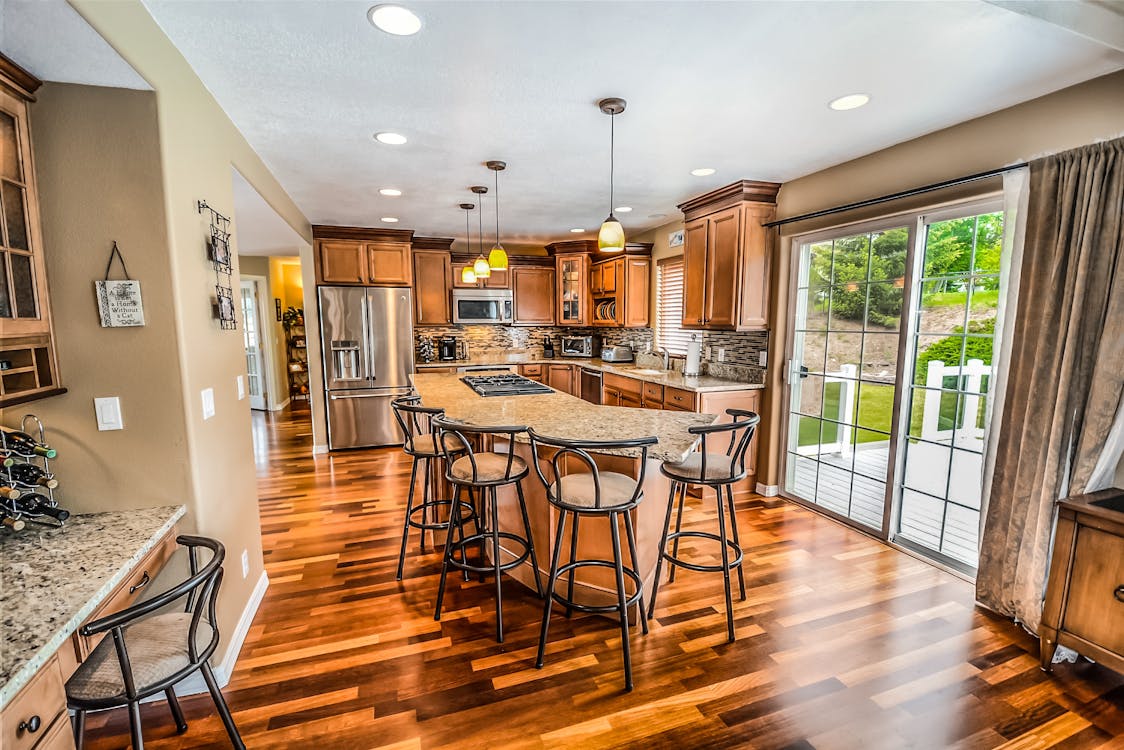
Imagine waking up to the gentle sound of waves on Medano Beach, the iconic Arch of Cabo San Lucas framed in your window, and the promise of a day filled with sunshine, vibrant culture, and unparalleled relaxation. For many Americans, this dream of owning a piece of paradise in Cabo feels tantalizingly close. The lifestyle—a perfect blend of adventure and tranquility—is a powerful draw. Yet, as prospective buyers explore this dream, they often encounter a single, intimidating term that causes confusion and hesitation: the Fideicomiso.
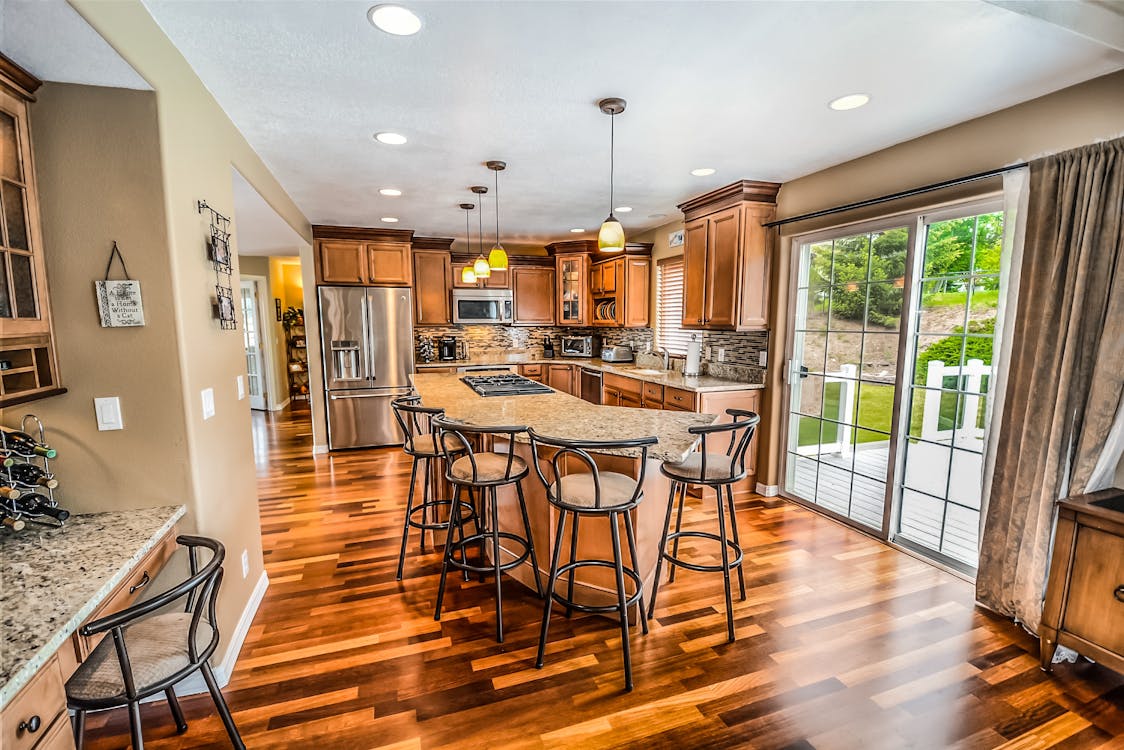
This legal instrument, often translated as a “bank trust,” is a fundamental part of purchasing property in Mexico’s most desirable coastal areas. But it’s shrouded in myths and misconceptions that can stop a dream in its tracks. Here at croatan24.com, we deliver news on real estate and healthy living from around the world. We believe that achieving your dream lifestyle, whether in Cabo or elsewhere, starts with clear, accurate information. A secure home is the foundation for a healthy, stress-free life. That’s why we’re here to cut through the noise and debunk the most common myths about the Fideicomiso, so you can pursue your real estate goals with confidence.
A Fideicomiso is a safe and standard trust mechanism that gives American buyers full property rights in Cabo. It is not a lease, and your investment is secure from both government and bank interference, allowing you to build a foundation for a healthier, happier life abroad.
Before we bust the myths, it’s helpful to understand why the Fideicomiso exists in the first place. The concept is rooted in Mexico’s history and its Constitution. Following the Mexican Revolution, Article 27 of the 1917 Constitution was enacted to protect the nation’s sovereignty over its land. It restricts direct foreign ownership of real estate within 100 kilometers (about 62 miles) of international borders and 50 kilometers (about 31 miles) of its coastlines. This entire area is known as the “Restricted Zone.”
Naturally, this zone includes some of the most beautiful and sought-after real estate in the world, including Los Cabos. Recognizing the immense value of foreign investment, the Mexican government created the Fideicomiso in 1973 as a safe and legal solution. It was specifically designed to allow non-Mexicans to securely invest in residential properties in these areas, encouraging economic growth while respecting the constitutional framework. It is not a loophole; it is the official, government-approved method for you to own your dream home in paradise. For a more detailed look, you can find a great Fideicomiso Demystified guide that breaks down the specifics for the Baja region.
The Myth: This is perhaps the most pervasive and damaging misconception. The involvement of a bank as the trustee leads many buyers to believe they are merely tenants in a property owned by a financial institution.
The Reality (Debunked): This is fundamentally incorrect. The bank’s role is that of a trustee (fiduciario), and it holds the legal title, but it does so solely on your behalf. You, the buyer, are the beneficiary (fideicomisario) of the trust and hold all the rights and privileges of ownership.
Think of it exactly like a living trust commonly used for estate planning in the United States. In a U.S. trust, a trustee holds and manages assets, but they are legally bound to do so strictly for the benefit of the beneficiaries. They cannot sell the assets, take out a loan against them, or use them for their own benefit. The Mexican Fideicomiso operates on the same principle.
As the beneficiary, you have the absolute and unrestricted right to:
The bank is a neutral administrator and can only act upon your express written instructions. Your ownership is secure and your control is complete.
The Myth: When people hear the Fideicomiso has a 50-year term, they often incorrectly equate it to a 50-year lease. The fear is that after 50 years, the property reverts to the bank or the government, and their investment is lost.
The Reality (Debunked): A Fideicomiso is not a lease in any sense of the word. Unlike a lease, where you pay rent without building any ownership stake, with a Fideicomiso, you are building equity in a tangible asset. The 50-year term is simply a legal formality. The trust is renewable for subsequent 50-year periods, and this renewal can be done at any time. For all practical purposes, you and your heirs can hold the property indefinitely.
Let’s break down the key differences in a clear comparison:

| Feature | Fideicomiso (Bank Trust) | Standard Lease (Rental) |
|---|---|---|
| Equity | You build 100% of the equity. Any appreciation in value is yours. | You build zero equity. |
| Control | Full control to sell, modify, rent, and bequeath. | No control over selling or major modifications. |
| Term | 50 years, renewable in perpetuity by you or your heirs. | Fixed term (e.g., 1 year), after which rights expire. |
| Inheritance | Property passes directly to named beneficiaries, avoiding probate. | No inheritance rights. The lease terminates. |
| Asset | It is your asset. You can leverage it for financing. | It is a liability (rent payment). You cannot leverage it. |
The ability to sell the property at any point during the 50-year term and keep 100% of the capital gains is the clearest proof that this is true ownership, not a rental agreement.
The Myth: A common fear among international investors is that a foreign government could expropriate their property without warning or compensation, leaving them with nothing.
The Reality (Debunked): This fear is unfounded. Mexico is a modern nation with a stable legal system that protects private property rights, both for its citizens and for foreign investors. Under Mexican law, the government cannot expropriate private property unless it is for a public utility purpose, such as building a highway or a school.
Even in these rare cases, the law mandates that the government must follow a formal legal process and provide fair market value compensation to the owner. This is the same legal principle as “eminent domain” in the United States. Furthermore, Mexico’s commitment to protecting foreign investment is enshrined in international treaties, most notably the United States-Mexico-Canada Agreement (USMCA), the successor to NAFTA. These agreements provide an extra layer of robust legal protection, ensuring that American property owners are treated fairly and have legal recourse. A properly established and registered Fideicomiso is a legally sound deed of title that secures your asset against such arbitrary actions.
The Myth: Given the memory of bank failures in the U.S. and elsewhere, some buyers worry that their property—their nest egg for a healthy retirement—is at risk if the trustee bank experiences financial trouble or goes out of business.
The Reality (Debunked): Your property is completely safe. The real estate held within the Fideicomiso is legally classified as an off-balance-sheet asset for the bank. This means the property is not part of the bank’s corporate assets. It is held “in trust” for you, the beneficiary, and is entirely separate from the bank’s own financial accounts and liabilities.
If the trustee bank were to fail or be acquired, your trust would not be affected. The Fideicomiso would simply be legally and seamlessly transferred to another qualified Mexican bank to continue its role as trustee. The process is a straightforward administrative change, and your rights as the beneficiary remain fully intact and uninterrupted. You would not lose your property or any of the rights associated with it.
The Myth: The idea of a foreign legal process, bank involvement, and government permits can seem overwhelming, leading many to assume it’s a bureaucratic nightmare with exorbitant hidden fees.
The Reality (Debunked): While the process is more involved than a simple property transfer in the U.S., it is a well-trodden and standardized path. Thousands of these transactions are completed successfully every year in Cabo.
At croatan24.com, we know that making a smart real estate investment is the foundation for a healthy, stress-free lifestyle. Understanding a process like the Fideicomiso isn’t just about legal paperwork; it’s about gaining the confidence to pursue your dream of living in a place like Cabo. When you have clarity and security in your housing, you free up mental and emotional energy to focus on what truly matters: your health, your happiness, and your new adventures. By providing clear insights into global real estate, fitness, and healthcare, we empower you to build a life you love, wherever that may be. You can explore our full library of articles on our post sitemap to find more information to guide your journey.
The Fideicomiso is not a barrier to entry; it is a secure, time-tested bridge that allows you to safely and legally own a piece of the Mexican paradise. It is a system designed by the Mexican government to protect you, the foreign buyer, and to encourage the kind of investment that has made places like Cabo San Lucas thrive. The myths surrounding it are born from a lack of information, not from any flaw in the system itself.
By understanding the reality—that you have full ownership rights, that your investment is secure, and that the process is standard and manageable—you can move forward with clarity. Don’t let these debunked myths stand in the way of the sun, the sea, and the incredible lifestyle that awaits you in Cabo.
Ready to explore more about international property and healthy lifestyles? Follow croatan24.com for the latest news and insights from around the world.

