

Protecting Your Gulf Coast Real Estate: 5 Hurricane-Proofing Steps Recommended by Experts at Priority Roofing
Living on the Gulf Coast offers unparalleled beauty, from stunning sunsets to vibrant communities. However, this idyllic lifestyle comes with a significant responsibility: preparing for hurricane season. The threat of a major storm can be a source of immense stress for homeowners, turning a season of sunshine into one of anxiety.

At croatan24.com, we bring you news on real estate and healthy living from around the world. We believe that a secure home is the foundation of a healthy life. Protecting your most valuable asset isn’t just a financial decision; it’s a crucial step towards peace of mind and well-being. That’s why we’ve gone straight to the source for local, actionable advice.
To help you safeguard your property and your family, we consulted with the seasoned professionals at Priority Roofing, experts who work on the front lines of storm defense and recovery. They’ve shared their top five most impactful hurricane-proofing steps that every Gulf Coast homeowner should take before a storm is on the horizon.
Key Takeaways
- Fortify Your Roof: Your roof is your home’s primary shield. Regular inspections, hurricane straps, and impact-resistant materials are non-negotiable.
- Secure All Openings: Unprotected windows, doors, and garage doors can lead to catastrophic structural failure from internal pressure changes.
- Clear Your Yard: Your landscape can become a collection of dangerous projectiles. Proper trimming and securing outdoor items is critical.
- Prevent Water Intrusion: Beyond wind, water from flooding and storm surge is a major threat. Sealing your home’s envelope and managing drainage is key.
- Plan and Document: Financial and personal preparedness through insurance reviews, home inventories, and emergency plans is as important as physical reinforcement.
TL;DR
To protect your Gulf Coast home from a hurricane, experts at Priority Roofing recommend focusing on five key areas: fortifying your roof, reinforcing all windows and doors, securing your landscape to prevent projectiles, implementing a water intrusion strategy, and creating a detailed documentation and insurance plan for financial protection.
About the Experts: Why Trust Priority Roofing?
Before we dive into the steps, it’s important to know who this advice comes from. Priority Roofing, a trusted source for durable, high-quality roofing solutions since 2012, is a leading expert in storm damage restoration and roofing solutions in coastal regions. Their teams have witnessed firsthand what works—and what doesn’t—when a hurricane makes landfall. Their recommendations are born from years of practical, in-the-field experience, making them an invaluable resource for any homeowner serious about protection. This practical advice, coming from the teams at Priority Roofing who have completed thousands of projects across the Gulf South, underscores the importance of professional guidance.
Securing Your Roof is the Single Most Critical Step in Hurricane-Proofing Your Home.
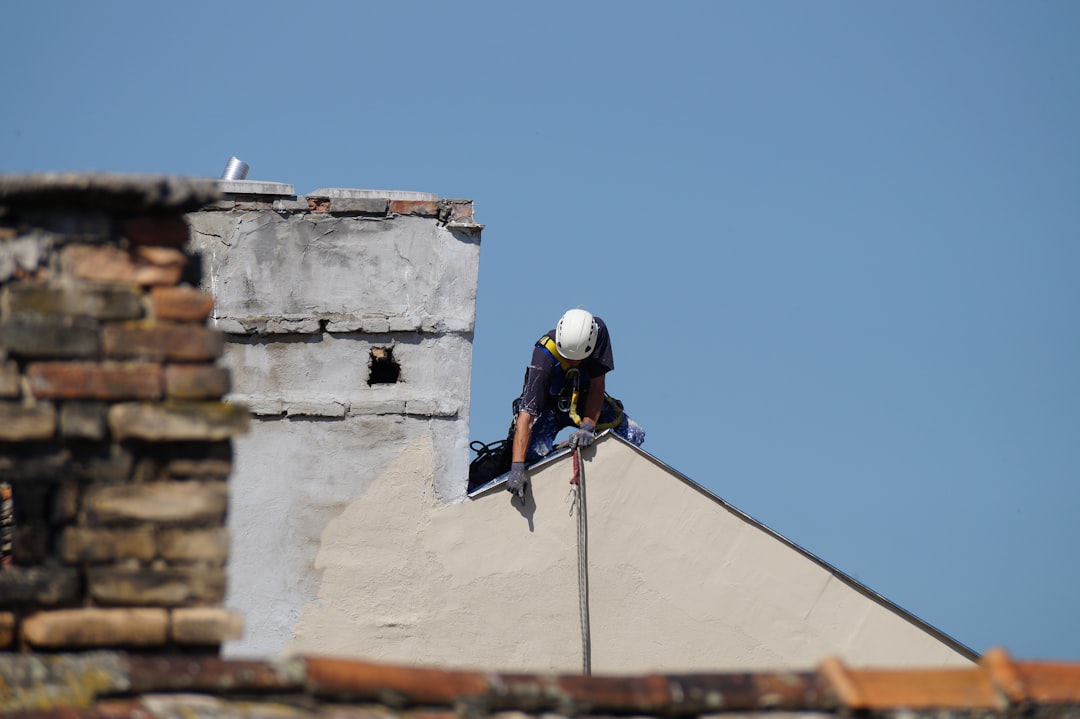
The experts at Priority Roofing, with over 50 years of combined construction experience, state that a roof failure is often the first event that leads to catastrophic home damage. High winds can lift shingles, tear off sheathing, and expose your entire home’s interior to the elements. A strong, well-maintained roof is your primary line of defense. According to the Federal Emergency Management Agency (FEMA), the loss of a roof can expose the entire contents of a home to the storm, leading to a total loss of the structure.
Start with a Professional Roof Inspection
The first step toward a hurricane-ready roof is understanding its current condition. Have a qualified roofer perform a thorough inspection well before hurricane season begins. This allows ample time for any necessary repairs. The inspector will check for common vulnerabilities like loose or damaged shingles, failing sealant around vents and chimneys, and any soft spots in the decking that could indicate underlying water damage. This proactive check-up is the most cost-effective measure you can take.
Reinforce Your Roof-to-Wall Connections
One of the most common and devastating failures during a hurricane is when the roof lifts completely off the walls. This happens because high winds create immense upward pressure. To combat this, ask your contractor about installing hurricane straps or clips. These are pieces of galvanized metal that anchor the roof trusses directly to the wall studs, creating a continuous load path that holds your home together against powerful uplift forces. Retrofitting an existing home with these connectors is a significant structural upgrade that dramatically increases its resilience.
Consider Upgrading to Impact-Resistant Materials
If your roof is nearing the end of its lifespan, a replacement offers a golden opportunity to upgrade your home’s defenses. Invest in materials specifically designed for high-wind environments. Class 4 impact-resistant shingles, for example, are tested to withstand the impact of a 2-inch steel ball dropped from 20 feet. Metal roofing is another excellent option, known for its superior wind resistance and durability. While these materials have a higher upfront cost, they can lead to insurance discounts and provide invaluable protection that pays for itself many times over during a single storm.
Reinforcing Windows and Doors Prevents Catastrophic Pressure Changes Inside Your Property.
When high-velocity winds breach a window or door, the pressure inside your home can build up explosively, leading to roof and wall collapse. Securing these entry points is not just about keeping water out; it’s about maintaining the structural integrity of your entire house. A single broken window can increase the internal pressure enough to blow the roof off from the inside.
Evaluate Your Weakest Links: Windows and Glass Doors
Glass is inherently vulnerable to wind-driven debris. The most effective, albeit most expensive, solution is installing impact-resistant windows. These windows feature laminated glass—two panes of glass bonded with a clear plastic interlayer—that will crack but not shatter, preventing a breach.
A more budget-friendly yet highly effective alternative is to install permanent storm shutters. There are several types to consider:
- Accordion Shutters: These are permanently installed beside the window and unfold easily along a track.
- Roll-Down Shutters: Housed in a box above the window, these can be lowered manually or with a motor.
- Panel Shutters: These are panels of steel, aluminum, or polycarbonate that are pre-cut and drilled to be bolted over windows before a storm. They are the most affordable option but require storage and manual installation.
Don’t Forget the Largest Opening: The Garage Door
The garage door is often the largest and weakest opening on a home. Standard garage doors are not designed to withstand hurricane-force winds and can easily buckle or be blown in. Reinforcing your existing door with a vertical bracing kit can significantly improve its strength. However, the best solution is to replace it with a garage door that is specifically wind-rated and impact-rated for your region. These doors have heavier-gauge tracks, stronger rollers, and reinforced panels to resist both high winds and flying debris.
Managing Your Landscape and Securing Outdoor Items Mitigates the Risk of Projectile Damage.
During a hurricane, anything not tied down can become a dangerous missile, capable of breaking windows, damaging siding, and even penetrating your roof. The damage caused by flying debris from your own yard—or a neighbor’s—can be devastating to your home and others.
Perform Strategic Tree and Shrub Trimming
Healthy, well-maintained trees are less likely to fail in a storm. Well before hurricane season, hire a certified arborist to inspect the trees on your property. They can identify and remove dead, dying, or weak branches that could easily snap off in high winds. Additionally, thinning out the tree’s canopy allows wind to pass through more easily, reducing the force exerted on the trunk and roots and making it less likely to be uprooted.
Clear Gutters, Drains, and the General Yard
Hurricanes bring torrential rainfall, and your home’s drainage system needs to be ready. Ensure your gutters and downspouts are completely clear of leaves and debris. This allows them to function properly and direct massive amounts of water away from your foundation. Before a storm watch is issued, do a final sweep of your yard, removing any loose items like tools, small planters, toys, and decorative objects that could become airborne.
Have a Plan for Large Outdoor Items
You must have a clear plan for securing larger items. Know exactly where you will store patio furniture, grills, playsets, and trash cans. The best place is inside a secure garage or shed. If you cannot move an item indoors, find a way to anchor it securely. For example, a heavy grill could be chained to a sturdy post, or a trampoline’s legs could be anchored to the ground with stakes. Do not wait until the last minute, as these tasks can be difficult and time-consuming in deteriorating weather.
A Comprehensive Water Intrusion Strategy is Essential for Protecting Against Flooding and Storm Surge.
Wind gets the headlines, but water damage from heavy rain and storm surge is often more destructive and costly. Protecting your home requires a multi-faceted approach to keeping water out, a topic you can explore further through our site’s various post tags.
Seal Your Home’s Envelope
Water can find its way into your home through the tiniest cracks and gaps. Conduct a thorough inspection of your home’s exterior. Use high-quality exterior caulk to seal any openings around areas where pipes, wires, or vents enter your home. Check the seals around your windows and apply fresh caulk if the old material is cracked or peeling. Ensure that all doors have robust weatherstripping to create a tight seal against wind-driven rain.
Evaluate Your Property’s Grading
The landscape immediately surrounding your home plays a crucial role in water management. The ground should slope away from your foundation on all sides. A negative grade, where the ground slopes toward the house, will channel rainwater directly to your foundation, where it can pool and seep into your crawlspace or basement. Regrading the soil or installing a French drain system can be a highly effective, long-term solution to prevent this type of flooding.
Consider Flood Barriers and Sump Pumps
For homes in low-lying or flood-prone areas, more aggressive measures may be necessary. Deployable flood barriers, such as sandbags or purpose-built interlocking panels, can be placed in front of doorways and garage doors to hold back rising water. For homes with basements or crawlspaces, a sump pump with a battery backup is a critical defense. The battery backup ensures the pump will continue to operate and remove water even if the power goes out, which is a common occurrence during a hurricane.
Creating a Detailed Preparedness Plan and Documentation Protects Both Your Property and Your Financial Well-being.
Physical preparations are only half the battle. Being financially and logistically prepared will make the recovery process infinitely smoother and less stressful. This kind of planning is a core component of managing your real estate assets effectively.
Conduct an Annual Insurance Policy Review
Do not assume you are covered. Before hurricane season, sit down and read your homeowner’s insurance policy carefully. Pay close attention to your hurricane and windstorm deductibles, which are often a percentage of your home’s insured value, not a flat dollar amount. Most importantly, confirm you have adequate flood insurance. According to FloodSmart.gov, flood damage is not covered by standard homeowner’s policies and requires a separate policy through the National Flood Insurance Program (NFIP) or a private insurer.
Create a Detailed Home Inventory
If you need to file an insurance claim, you will have to provide a list of your lost or damaged possessions. Creating this list from memory after a traumatic event is nearly impossible. Walk through every room of your home with a video camera or smartphone, narrating and documenting all your possessions. Open closets and drawers. Take close-up photos of serial numbers on major appliances and electronics. Store this documentation securely in the cloud (e.g., Google Drive, Dropbox) so you can access it from anywhere, even if your home and computer are destroyed.
Assemble Your Documents and Emergency Kits
In the event of an evacuation, you’ll need critical information and supplies. Place important documents—such as insurance policies, deeds, birth certificates, and passports—in a waterproof, portable container or safe. Prepare a “go-bag” or emergency kit that includes at least a three-day supply of water, non-perishable food, prescription medications, a first-aid kit, flashlights, extra batteries, and a hand-crank weather radio.
Proactive Home Protection is a Cornerstone of Healthy, Stress-Free Living
At croatan24.com, we see the undeniable link between your physical environment and your mental well-being. The process of hurricane-proofing your home is more than just a series of chores; it’s an investment in your peace of mind. Taking these proactive steps transforms helplessness and anxiety into a feeling of empowerment and control. By reducing the uncertainty of what might happen, you free up mental and emotional energy, contributing to a healthier, less stressful life for you and your family—a core principle of the healthy living insights we share from around the globe.
A Proactive Approach to a Resilient Home
Protecting your Gulf Coast real estate from a hurricane is a significant undertaking, but it is manageable when broken down into these five expert-recommended steps. By fortifying your roof, securing your home’s openings, managing your landscape, preventing water intrusion, and preparing your documents, you are building a powerful defense against the storm. This proactive approach not only safeguards your financial investment but also fosters the security and peace of mind that are essential to a healthy life.
From hurricane preparedness on the Gulf Coast to real estate trends in Asia, croatan24.com is your trusted source for information that helps you protect your assets and enhance your well-being, no matter where you call home. You can explore all our site’s core resources for more global insights.
Was this guide helpful? Subscribe to the croatan24.com newsletter for more expert insights on real estate, health, and fitness from around the world.
Have friends or family on the Gulf Coast? Share this article to help them prepare and stay safe this hurricane season.
Frequently Asked Questions
Why is it important to prepare my Gulf Coast home for a hurricane?
Preparing your home for a hurricane is crucial for protecting your most valuable asset and ensuring your family’s peace of mind. Proactive measures can prevent immense stress and safeguard your property from significant damage during a major storm.
According to the experts, what is the most important part of a house to protect from a hurricane?
The roof is considered the home’s primary shield against a storm. Experts recommend regular inspections, installing hurricane straps, and using impact-resistant materials to fortify it.
What are the key steps to hurricane-proofing my home?
The main steps recommended by experts include fortifying your roof and securing all openings. This involves actions like reinforcing your roof structure and protecting windows, doors, and garage doors to prevent catastrophic structural failure from internal pressure changes.
When is the best time to start preparing my home for hurricane season?
The article emphasizes that all hurricane-proofing measures should be taken well before a storm is on the horizon. Early preparation is essential for effectively safeguarding your property.