

Beyond Borders: Unveiling the Dynamic Forces Shaping Real Estate Markets Across the World
Introduction: Navigating the Global Real Estate Tapestry
The world is more interconnected than ever, and nowhere is this more evident than in the intricate web of **real estate markets across the world**. From the bustling metropolises of Asia to the serene landscapes of Europe, property values, investment opportunities, and housing trends are shaped by a complex interplay of local dynamics and global forces. At croatan24.com, we understand that a truly comprehensive view of **real estate** demands a global lens, offering insights that transcend geographical boundaries. This article will embark on a journey to explore the diverse characteristics and shared influences that drive property values and investment decisions, providing a crucial global perspective for investors, homeowners, and industry professionals alike. Understanding these dynamics is not just about identifying opportunities; it’s about mastering the art of navigation in an ever-evolving global landscape.
Key Global Trends Impacting Real Estate Markets
The pulse of global real estate markets beats in rhythm with several overarching trends:
- Urbanization and Demographic Shifts: The relentless march of urbanization continues to reshape real estate markets across the world. Population growth, significant migration patterns, and the rise of megacities are concentrating demand in urban centers, driving up land values and necessitating innovative housing solutions. Simultaneously, an aging global population in some regions and a burgeoning youth demographic in others create distinct demands for different property types, from senior living communities to starter homes.
- Technological Advancements: The digital revolution has profoundly impacted real estate. Proptech innovations, artificial intelligence (AI) in market analysis, and the widespread adoption of remote work have fundamentally altered property demand, design principles, and transaction processes. The ability to work from anywhere has, for instance, spurred interest in secondary cities and rural areas, while smart home technologies are becoming standard expectations in new developments in real estate.
- Sustainability and Green Building: A growing global consciousness around climate change and environmental impact has made sustainability a cornerstone of modern real estate. The importance of eco-friendly practices, green building certifications, and energy-efficient designs is rapidly influencing property values and buyer preferences in markets across the world. Properties that meet high environmental standards often command a premium and are increasingly favored by both occupants and investors.
Regional Deep Dive: A Look at Diverse Real Estate Landscapes
North America: Resilience and Innovation
North America’s **real estate markets**, particularly in the US and Canada, have demonstrated remarkable resilience, driven by strong economies, robust job growth, and evolving consumer preferences. We analyze the robust housing markets, which have seen significant appreciation in recent years. However, challenges such as affordability, especially in major metropolitan areas, have led to a notable rise of suburbanization and exurban growth. Investment trends in commercial **real estate** continue to favor tech hubs, logistics centers, and data infrastructure, reflecting the region’s economic drivers.

Europe: Stability Amidst Shifting Sands
Europe presents a mosaic of mature and diverse real estate markets. From the ultra-luxury segments of London and Paris to the growing appeal and affordability of Eastern European cities like Warsaw and Budapest, the continent offers a spectrum of investment opportunities. The impact of geopolitical events, such as regional conflicts and shifting regulatory frameworks, plays a significant role in shaping property investment across the world in this region. There’s a strong focus on sustainable urban development and adaptive reuse projects, breathing new life into established European markets while preserving their historical character.
Asia-Pacific: Growth Engines and Emerging Opportunities
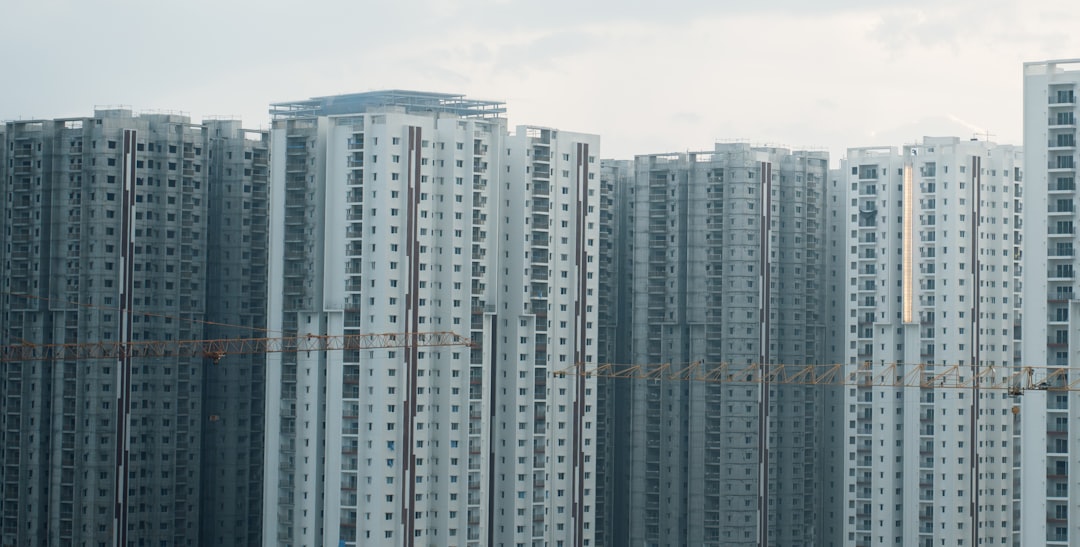
The Asia-Pacific region is a powerhouse of rapid expansion in real estate markets. Countries like China, India, and those in Southeast Asia are experiencing phenomenal growth, fueled by burgeoning economies, rapid urbanization, and a burgeoning middle class. The role of foreign investment and massive infrastructure development projects is critical in shaping these dynamic markets across the world. However, challenges such as the potential for speculative bubbles and the need for balanced, sustainable growth remain key considerations in these high-potential regions.
Emerging Markets: Untapped Potential and Unique Risks
Beyond the established giants, promising real estate markets are emerging in Latin America, Africa, and the Middle East. These regions offer high-growth potential, often driven by rich natural resources, a growing tourism sector, and improving governance across the world. While attracting international investors with their potential for significant returns, they also present higher volatility and unique risks. Understanding local regulations, assessing economic stability, and appreciating cultural nuances are paramount when investing in these diverse markets. Explore our sitemap for more insights

Driving Forces: Economic, Political, and Social Influences
The intricate dance of global real estate is choreographed by a variety of powerful forces:
- Economic Indicators: Macroeconomic factors are direct drivers. Interest rates dictate borrowing costs, inflation erodes purchasing power, while GDP growth and employment figures directly impact real estate demand and pricing across the world. A robust economy generally translates to a vibrant property market.
- Government Policies and Regulations: Governments play a crucial role in shaping local and international real estate markets. Taxation policies, zoning laws, foreign ownership restrictions, and housing policies can significantly influence supply, demand, and investment flows. Understanding these frameworks is essential for any market participant.
- Social and Cultural Factors: Beyond economics and politics, lifestyle preferences, generational shifts (e.g., millennials’ preference for urban living vs. boomers’ desire for downsizing), and cultural values profoundly influence housing choices and urban development in various markets across the world. These factors dictate what types of properties are in demand and where people choose to live.
Investment Strategies and Challenges in Global Real Estate
For astute investors, global real estate markets offer compelling opportunities:
- Diversification and Risk Mitigation: Leveraging global real estate markets allows investors to diversify their portfolios, reducing reliance on a single economy or region and mitigating localized risks. A downturn in one market can potentially be offset by growth elsewhere.
- Navigating Market Volatility: Understanding and responding to economic downturns, political instability, and currency fluctuations across the world is crucial. Strategies include hedging currency risks, investing in resilient asset classes, and maintaining a long-term perspective.
- Ethical and Sustainable Investing: The growing importance of ESG (Environmental, Social, Governance) factors is reshaping real estate investment decisions. Investors are increasingly prioritizing properties and developments that demonstrate strong environmental stewardship, positive social impact, and robust governance practices. Discover more posts on sustainable living
The Future Outlook: What’s Next for Global Real Estate?
The future of real estate markets across the world is dynamic and promises continued evolution.
- Forecasting Key Trends: We predict the trajectory of global real estate will be heavily influenced by factors such as the accelerating impacts of climate change, further technological disruption (e.g., smart cities, AI-driven property management), and evolving work models that continue to redefine the purpose and location of commercial and residential properties.
- Resilience and Adaptability: Cities and real estate professionals are continuously adapting to new challenges and opportunities, from designing climate-resilient buildings to creating flexible workspaces that cater to hybrid workforces.
- The Interconnected Future: Ultimately, the success of any local real estate market will be increasingly tied to global dynamics. Understanding these broader forces is paramount for making informed decisions and thriving in the interconnected future. View our media for visual insights
Conclusion: Mastering the Global Real Estate Landscape
The complex and dynamic nature of real estate markets across the world demands a nuanced and informed approach. From the rapid growth of emerging economies to the stability of established markets, a myriad of factors—economic, political, social, and technological—collectively shape property values and investment trajectories. At croatan24.com, we are committed to providing worldly and knowledgeable insights into global real estate and healthy living, empowering our readers to make informed decisions. By staying informed and strategically navigating the ever-evolving global real estate landscape, you can unlock opportunities and build lasting value in this fascinating and vital sector. Explore related topics by tag